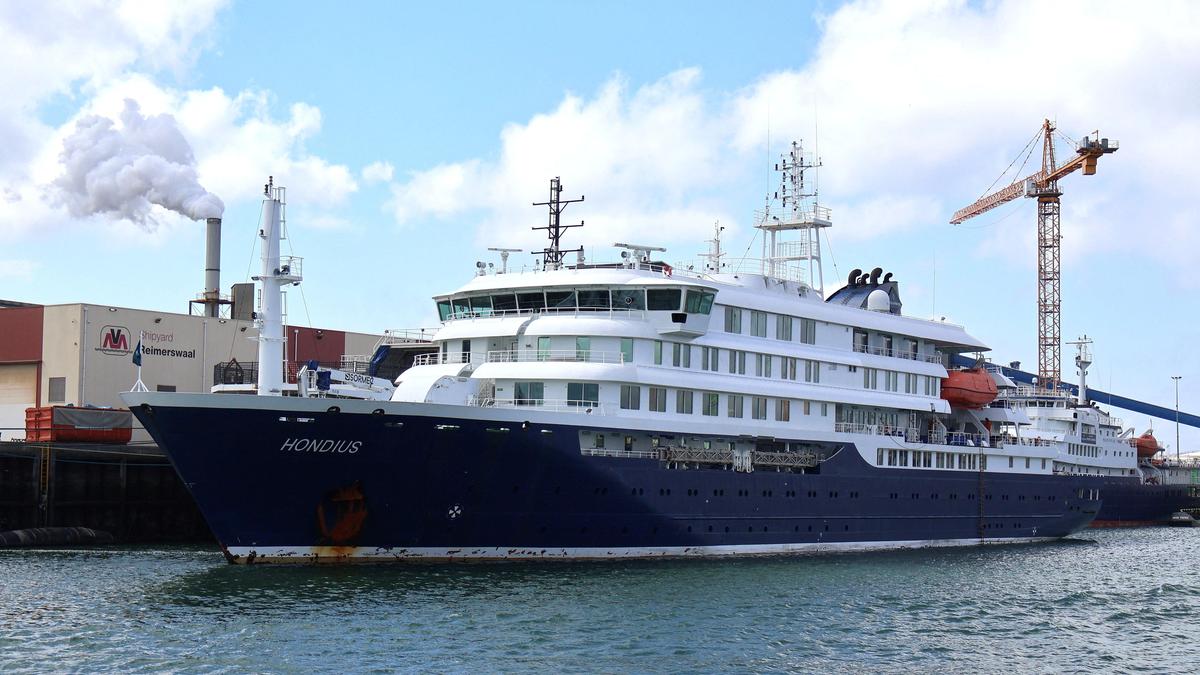
A British national is currently fighting for his life in a Johannesburg isolation ward, the most visible victim of a biological mystery that has turned a high-end Antarctic expedition into a floating morgue. The 69-year-old man, whose identity remains withheld for privacy, is the first laboratory-confirmed case of hantavirus linked to the MV Hondius, a polar cruise ship now anchored off the coast of Cape Verde like a pariah.
Three people are already dead. Two symptomatic crew members remain trapped on the vessel, denied entry by local authorities fearful of a pathogen that typically stays far away from the open ocean. While the South African Department of Health has urged calm, the geography of this outbreak suggests something far more troubling than a routine medical emergency. This is an investigation into how a virus usually found in the dusty barns of the Americas found its way onto a luxury ice-breaker in the middle of the Atlantic.
The Ghost on the MV Hondius
The timeline of the outbreak reads like a script for a pandemic thriller. The MV Hondius departed from Ushuaia, Argentina—the southernmost city in the world—roughly three weeks ago. It was a journey of a lifetime for the 150 passengers, many of whom had paid five-figure sums to see the calving glaciers of Antarctica and the remote wildlife of the South Georgia and Falkland Islands.
The first sign of trouble appeared as the ship moved toward Saint Helena. A 70-year-old Dutch passenger suddenly developed a high fever, severe abdominal pain, and respiratory distress. He died shortly after the ship reached the island. His 69-year-old wife, showing similar symptoms, managed to travel as far as South Africa’s OR Tambo International Airport before collapsing. She died in a Kempton Park hospital, leaving the medical community scrambling to identify the killer.
It was only when the British passenger was medically evacuated to a private facility in Sandton that the culprit was named: hantavirus.
A Pathogen Out of Place
Hantaviruses are not like the flu or the common cold. They do not travel through the air in the way we’ve become accustomed to over the last few years. Instead, they are typically zoonotic, jumping from rodents to humans through contact with urine, droppings, or saliva—often via aerosolized dust.
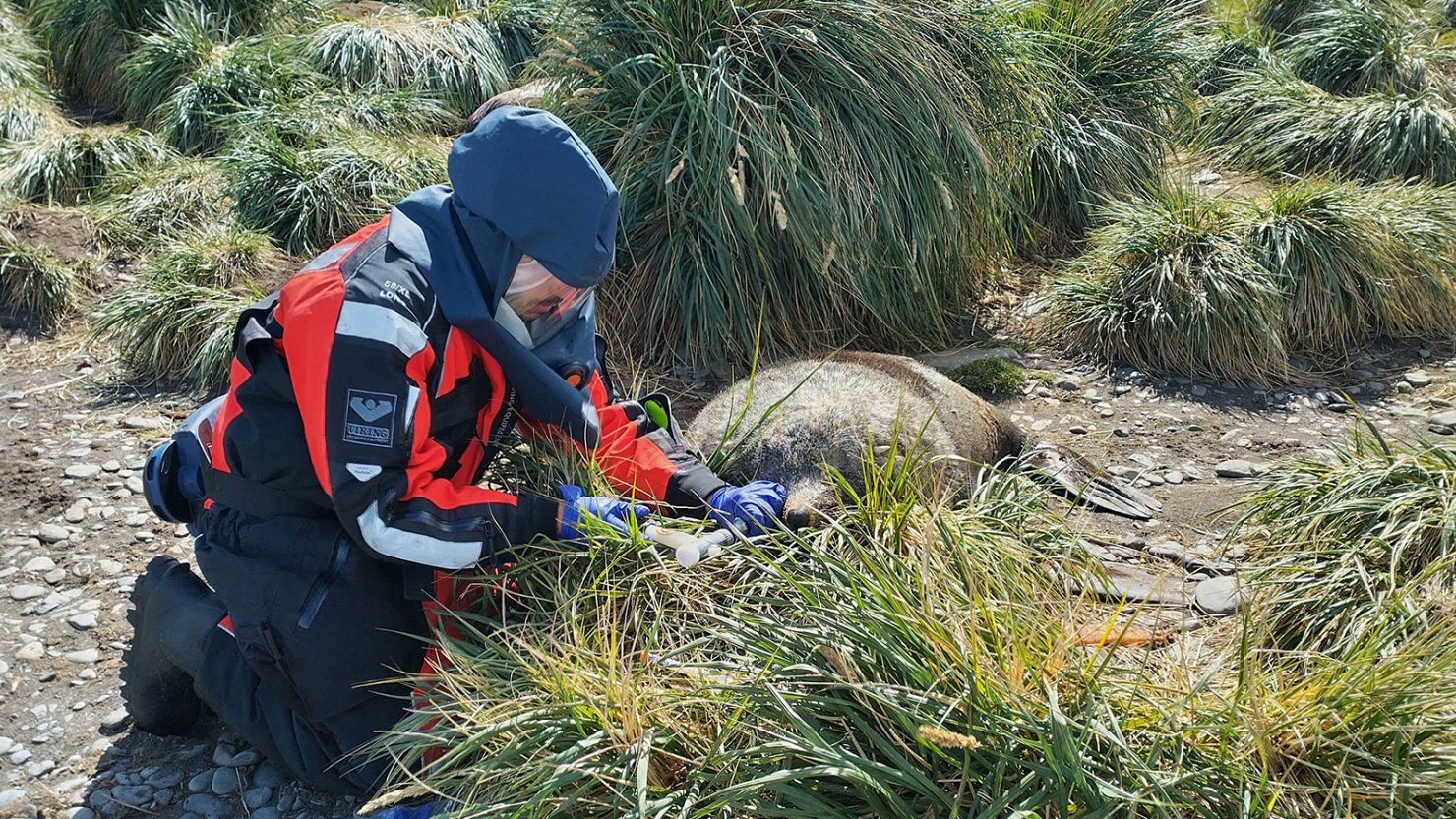
The mystery here is the "why." Antarctica is a desert of ice. It is one of the few places on Earth without a resident rodent population. For a hantavirus outbreak to occur on a polar vessel, the chain of infection had to begin somewhere else.
There are two primary suspects in the virology. The first is Seoul virus, a hantavirus carried by brown rats that has a history of hitching rides on international shipping vessels. If the MV Hondius had a stowaway rodent population in its galley or hold, the confined spaces of a cruise ship would provide the perfect environment for the virus to spread.
The second, more terrifying possibility is the Andes virus. This strain, native to the region around Ushuaia where the cruise began, is the only hantavirus known to be capable of person-to-person transmission. In 2018, a single outdoor gathering in Epuyén, Argentina, led to 34 cases and 11 deaths because the virus jumped from human to human. If the British national and the deceased Dutch couple are victims of Andes virus, every passenger who has already disembarked and flown home is a potential vector.
The Cape Verde Standoff
As of Monday morning, the MV Hondius sits stationary off the port of Praia. The government of Cape Verde has issued a flat refusal: the ship will not dock. It is a decision rooted in self-preservation, but it leaves the symptomatic crew members in a lethal limbo.
While the Dutch government is reportedly coordinating a specialized medical evacuation for their citizens, the situation highlights a massive gap in international maritime law and health protocols. When a rare, high-mortality virus appears on a ship, the "cruise bubble" becomes a pressure cooker.
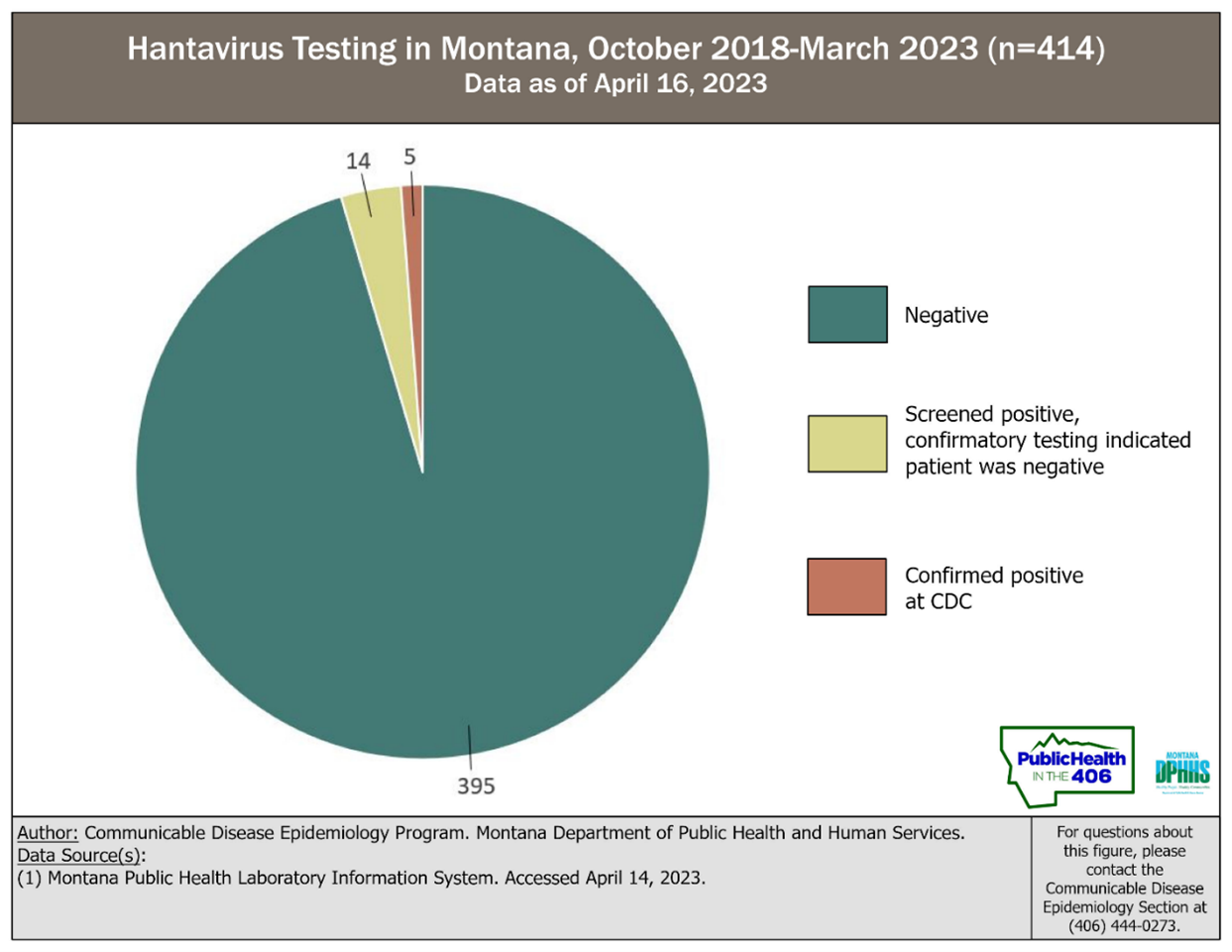
- Mortality Rates: Hantavirus Pulmonary Syndrome (HPS) has a fatality rate of roughly 38%.
- Incubation Period: Symptoms can take up to eight weeks to appear, meaning passengers who feel fine today could be in critical condition by June.
- Treatment: There is no vaccine and no specific cure. Survival depends almost entirely on early intensive care and mechanical ventilation.
The Real Cost of Remote Tourism
This isn't just a story about a single sick traveler in Johannesburg. It is an indictment of the "expedition" cruise industry's lack of preparedness for exotic biothreats.
We have seen this pattern before with Norovirus and COVID-19, but hantavirus is different. It is hardier, deadlier, and far more difficult to detect in its early stages, where it mimics a common fever. The industry has spent millions on luxury linens and gourmet chefs for these Antarctic runs, yet the medical facilities on many of these vessels are ill-equipped to handle a Grade-4 biohazard.
The South African National Institute for Communicable Diseases (NICD) is currently performing virus sequencing. The results will tell us if this was a tragic encounter with a rogue rat or the start of a new, mobile strain of a known killer. Until then, 150 travelers are being tracked across multiple continents, and a British man remains in a Sandton isolation ward, breathing only with the help of a machine.
The "last frontier" of Antarctica was supposed to be the safest place on Earth to escape the world's problems. Instead, it may have been the starting point for a brand new one.
The cruise ship remains at sea. The laboratory results are pending. The margin for error has disappeared.