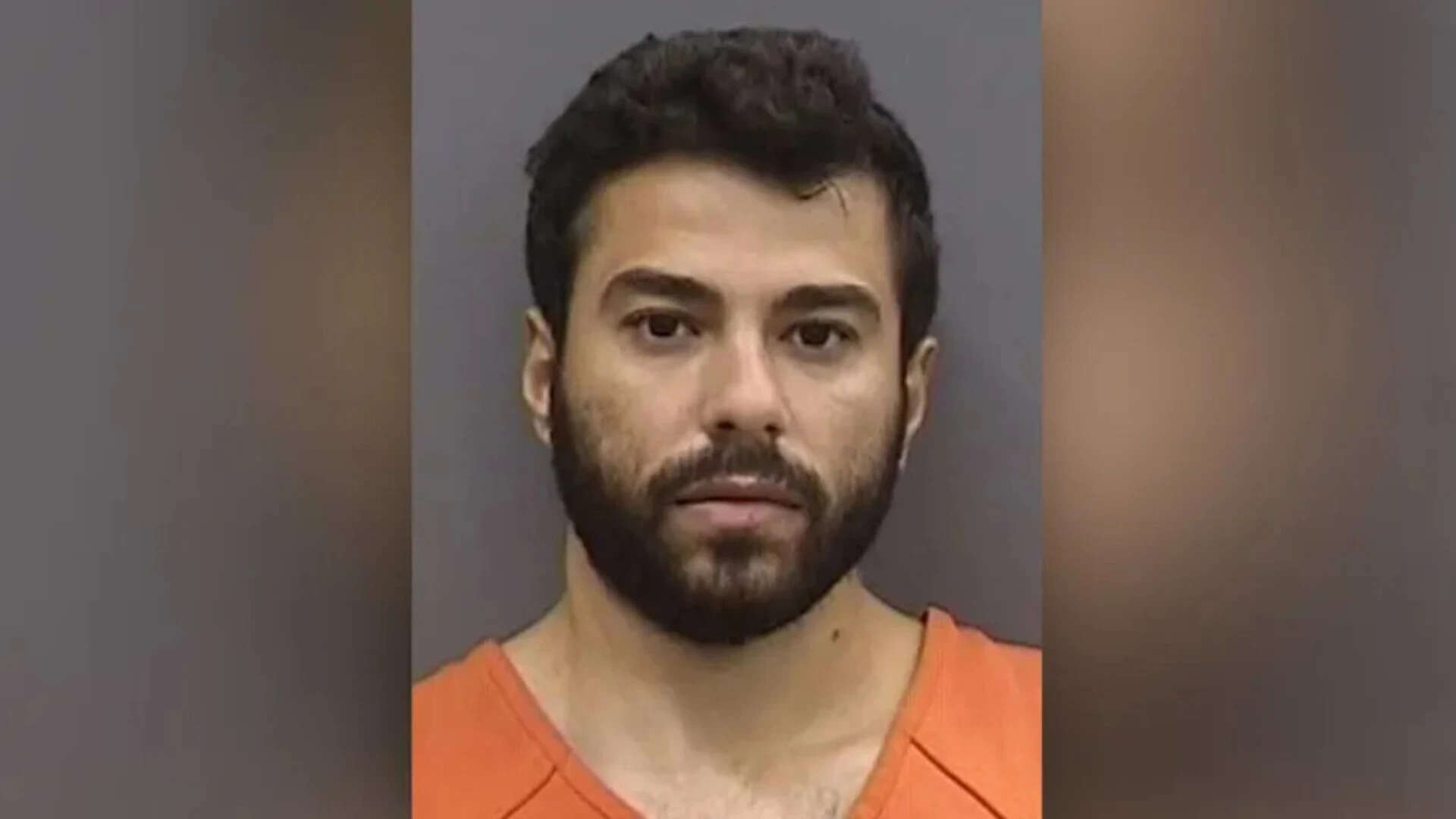
The headlines regarding the death of Zamil Limon at the University of South Florida follow a tired, predictable script. Media outlets pivot immediately to the shock of the arrest—the roommate, Hisham Abugharbieh, now facing a first-degree murder charge—and the generic outpouring of "thoughts and prayers" from the administration. They treat these events like lightning strikes: sudden, unpredictable, and unavoidable.
They are wrong.
This isn't a story about a random tragedy. It is a story about the systematic failure of modern student living arrangements and the dangerous "roommate lottery" we’ve accepted as a standard part of the higher education experience. We have outsourced the psychological vetting of young adults to basic algorithms and bottom-line-driven housing departments. When the result is a body in a dormitory, calling it a "shocker" is a lie. It’s a statistical inevitability when you force strangers into high-pressure, enclosed environments without meaningful oversight.
The Roommate Lottery is a Liability
Most universities and off-campus housing complexes use a "compatibility" survey that is about as scientifically rigorous as a BuzzFeed quiz. Do you like the room cold or warm? Are you a night owl or a morning person? Do you smoke?
These questions are designed to prevent arguments over the thermostat, not to identify volatile behavioral patterns or deep-seated psychological friction. We are putting twenty-somethings—many of whom are experiencing their first taste of unsupervised autonomy—into high-density pressure cooks.
When Hisham Abugharbieh was arrested after Limon was found dead in their shared space, the immediate reaction was disbelief. "They seemed fine." "No one saw it coming." This is the "lazy consensus" of the bystander. In reality, residential life staff are often overwhelmed, undertrained, and incentivized to keep occupancy high rather than flag escalating tensions.
We need to stop pretending that a 15-question survey is a substitute for genuine behavioral assessment. If a tech company forced two people into a high-stakes living environment with zero background on their conflict-resolution history, and something went wrong, the legal fallout would be immense. In academia, we just call it a "tragic campus incident."
The Myth of the Safe Space
Universities market themselves as "bubbles"—controlled environments where the outside world’s dangers are kept at bay by blue-light emergency phones and ID-card scanners. This creates a false sense of security that actually increases risk.
When students feel they are in a "safe space," they lower their guard. They ignore the gut feelings that would normally alert them to danger in a city apartment or a public setting. They assume that because the person across the hall—or across the kitchen—passed the same admissions criteria they did, that person is inherently safe.
Zamil Limon was a student pursuing a future. Hisham Abugharbieh was his roommate. The proximity was the catalyst.
The industry insider truth? Modern campus housing is built for efficiency, not safety. Thin walls, shared common areas, and a lack of true privacy create a breeding ground for resentment. Small disagreements over dishes or noise aren't just annoyances; in a 400-square-foot box, they are perceived threats to one's personal sanctuary.
Accountability Beyond the Crime Scene
The police have done their job. They made the arrest. They processed the scene. But the investigation shouldn't stop at the yellow tape.
We need to look at the data points that were missed.
- Behavioral Intervention Teams (BIT): Almost every major university, including USF, has a team dedicated to identifying "students of concern." How many times was either individual mentioned in a report? If the answer is zero, the reporting system is broken. If the answer is more than zero, the intervention system is broken.
- The "Quiet" Roommate: We often ignore the students who don't cause trouble until they explode. The focus is always on the loud parties and the obvious rule-breakers. The true danger often lies in the silent escalations that happen behind closed doors.
- Housing Policy vs. Reality: Housing contracts are notoriously difficult to break. Students often feel "stuck" with a bad roommate because of the financial or bureaucratic hurdles required to move. We are literally trapping people in toxic environments and then acting surprised when those environments turn lethal.
Stop Asking "Why" and Start Asking "How"
The media loves to dig into the "why"—the motive. Was it a fight over money? A girl? A perceived slight?
The "why" is irrelevant to the systemic fix. The "how" is what matters. How were these two people placed together? How did the university monitor the safety of that specific unit? How can we change the physical architecture of student housing to ensure that everyone has a true, lockable exit and private space that isn't dependent on the whims of a stranger?
If you are a parent or a student, stop trusting the brochure. The glossy photos of students laughing in the quad hide the reality of the claustrophobic, high-stress living conditions that define modern dorm life.
The Uncomfortable Truth
The death of Zamil Limon is a horrific loss. But don't let the university or the local news convince you that this was an isolated anomaly that couldn't have been prevented.
As long as we prioritize "student experience" and "campus community" over the hard, cold reality of human volatility and the need for rigorous behavioral vetting, we are just waiting for the next headline. We are playing a game of Russian Roulette with student lives, and every few years, a chamber isn't empty.
Demand more than a candlelight vigil. Demand a total overhaul of how we vet, house, and monitor the people we force to live together.
The lottery is over. And everyone lost.



