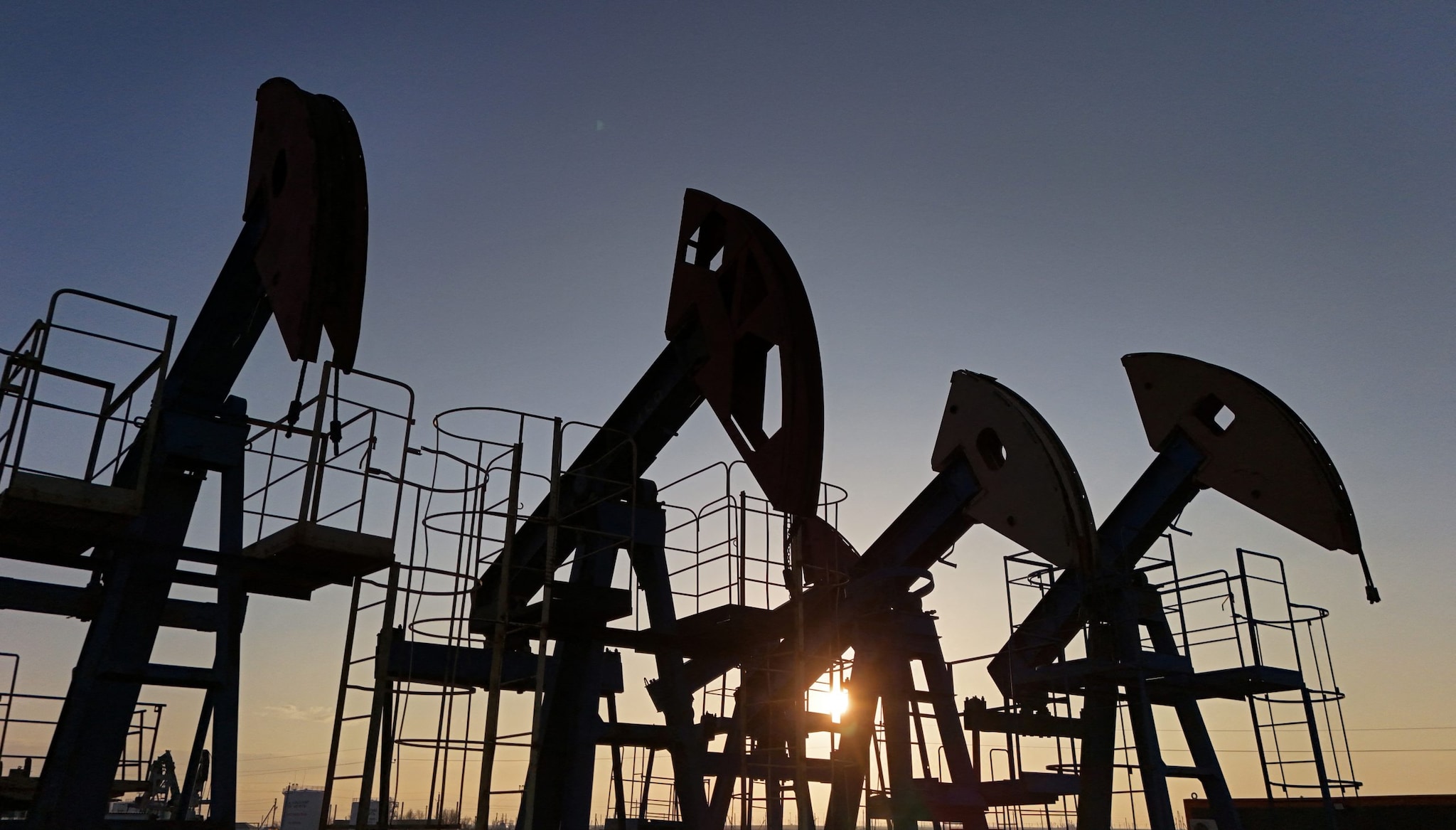
Beijing just stopped playing defense. For years, China’s "blocking statute" was a paper tiger—a piece of legislation that looked scary on the books but hadn't actually been used to stop a specific US action. That changed this weekend. The Ministry of Commerce (MOFCOM) officially ordered Chinese companies to ignore US sanctions on five oil refineries.
It’s a massive escalation. If you’re a global bank or a shipping firm, you’re now stuck in a legal vice. Washington says you can’t touch these refiners. Beijing says if you don't touch them, you’re breaking Chinese law. It's the "long-arm jurisdiction" fight everyone's been predicting for years, and it's finally arrived in the oil sector.
The five refiners caught in the middle
The specific targets aren't the giant state-owned firms like Sinopec. Instead, Beijing is shielding the "teapots"—independent refiners that handle a huge chunk of China’s crude imports.
The list includes:
- Hengli Petrochemical (Dalian) Refinery
- Shandong Shouguang Luqing Petrochemical
- Shandong Jincheng Petrochemical Group
- Hebei Xinhai Chemical Group
- Shandong Shengxing Chemical
Hengli is the big one here. The US Treasury’s Office of Foreign Assets Control (OFAC) slapped them with sanctions in April 2026, alleging they’ve been moving billions of dollars worth of Iranian oil. Hengli denies it. They claim their suppliers guarantee the oil isn't Iranian and that they use yuan for settlements anyway.
By issuing this formal injunction, China isn't just complaining. They’re telling every domestic entity—banks, insurers, ports—that complying with the US blacklist is now a punishable offense in China.
Why the timing matters
This didn't happen in a vacuum. It comes less than two weeks before a high-stakes summit between President Donald Trump and President Xi Jinping.
Usually, you'd expect a "quiet period" before a big meeting. Not this time. Beijing is signaling that they won't use these companies as bargaining chips. By invoking the Anti-Foreign Sanctions Law and the new Decree No. 835 (the Regulations on Countering Foreign Improper Extraterritorial Jurisdiction), they’re making the "blocking order" a permanent part of their trade toolkit.
China's message is clear: UN-authorized sanctions are one thing, but unilateral US "secondary sanctions" are effectively illegal on Chinese soil.
The impossible choice for global business
Honestly, this is a nightmare for compliance officers. Before this, "over-compliance" was the safe bet. If the US put a company on the SDN (Specially Designated Nationals) list, most global firms would just drop them to avoid the risk of being cut off from the US dollar.
Now, that "safe bet" might get you sued in a Chinese court.
Under the blocking rules, if a company suffers losses because you followed US sanctions, they can sue you for damages in China. We aren't just talking about a slap on the wrist. We’re talking about asset freezes and potentially being barred from the Chinese market entirely.
Key conflicts for international firms
- Banking: If a bank refuses to process a legitimate transaction for Hengli because of the US blacklist, they’re now violating the Chinese injunction.
- Shipping and Insurance: Maritime firms that refuse to carry or insure "sanctioned" cargo face the same legal risk.
- Supply Chain: Any company that terminates a contract based solely on the US blacklisting of these five refiners is now a target for Chinese retaliation.
This is not just about Iran
While the catalyst is Iranian oil, the broader game is about control over global trade norms. China is tired of the US using the dollar’s dominance to dictate who can trade with whom.
By protecting these refiners, Beijing is effectively stress-testing a "dollar-free" or "sanction-proof" trade corridor. Most of these independent refiners already deal in yuan. If they can maintain their operations without needing the US financial system—and if Beijing can force domestic banks to support them—the power of US sanctions starts to crumble.
What you should do now
If you’re doing business in both the US and China, the middle ground just disappeared. You can't just "wait and see" anymore.
First, audit your contracts. Look for clauses that allow for termination based on "foreign sanctions." In the eyes of Chinese regulators, those clauses might now be unenforceable or even illegal if applied to these five refiners.
Second, watch the banks. The real test will be when a major Chinese bank—or a foreign bank with a big China presence—is forced to choose between a US fine and a Chinese injunction. That’s the moment we’ll see how much "teeth" this new law actually has.
Finally, prepare for more of this. This isn't a one-off. The State Council’s recent decrees suggest that this "blocking" mechanism will be applied to tech, semiconductors, and any other industry where the US tries to exercise "long-arm" control.
Don't assume your industry is safe just because you aren't refining oil. Beijing has built the legal machinery for a full-scale regulatory war, and they've just proven they're willing to turn it on.