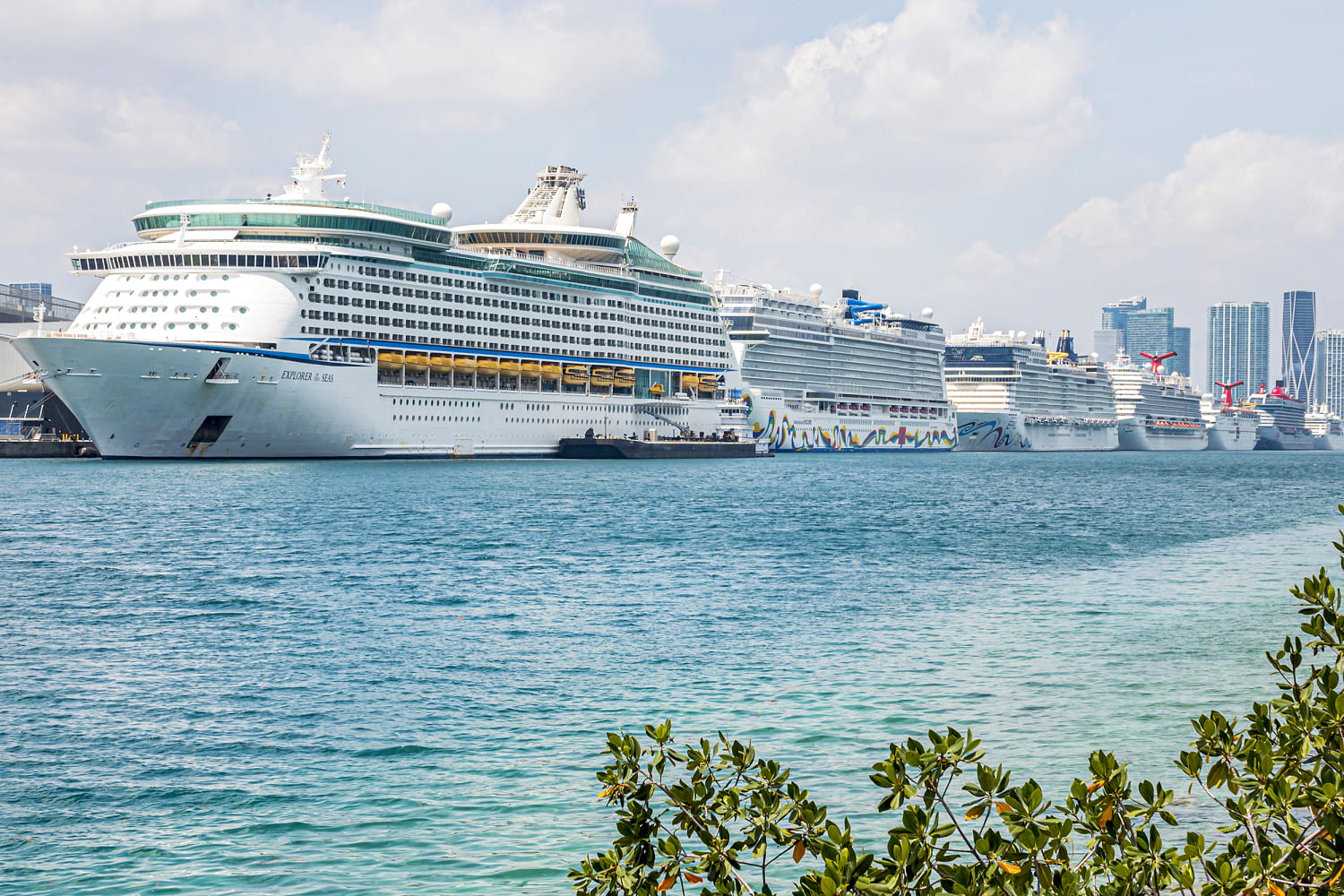
The claustrophobia of a cruise cabin is something you don't forget. If you were stuck on a ship in early 2020, you know the sound of the silence in the hallways. You remember the trays of lukewarm food left outside your door. Now, with headlines flashing news of a hantavirus outbreak, those same people are feeling a sickening sense of déjà vu. It’s not just about a new virus. It’s about the trauma of being trapped.
For many, the mention of a respiratory outbreak triggers immediate mental images of the Diamond Princess or the Grand Princess. Those weren't just vacations gone wrong. They were floating laboratories where thousands of people waited to see if they’d be the next to struggle for breath. When news of hantavirus cases hits the wire, it’s not just a medical report. For a specific group of travelers, it’s a siren.
The Reality of Hantavirus vs the Memories of Covid
Hantavirus isn't Covid. Let's get that straight. You aren't going to catch hantavirus by standing next to someone in a buffet line who coughs. It doesn't work that way. Hantavirus Pulmonary Syndrome (HPS) is spread through contact with infected rodents—specifically their urine, droppings, or saliva. You breathe in the virus when those fluids are stirred up into the air.
People are panicking because the early symptoms look identical to what we saw in 2020. Fever. Severe muscle aches. Fatigue. It feels like a bad flu until your lungs start filling with fluid. That’s where the "painful memories" part comes in. If you’ve spent weeks in a 150-square-foot room wondering if your lungs are about to quit, any news of a virus that causes respiratory distress feels like a personal attack.
Why the Comparison Is Happening Now
Public health officials are tracking clusters of hantavirus in regions where human encroachment on wilderness is at an all-time high. It's hitting the news cycles at the same time travel demand is peaking. When travelers see "outbreak" and "respiratory failure" in the same sentence, the brain skips the nuance. It goes straight back to the quarantine.
I've talked to travelers who still can't step onto a boat without checking where the nearest exit-only deck is. For them, the hantavirus news cycle isn't about mice. It’s about the fear that the world might shut down again. Or worse, that they'll be the ones locked in a room while a ship circles a port that refuses to let them land.
Cruising in a Post-Pandemic World
The cruise industry changed. It had to. Ventilation systems were overhauled. Medical centers on ships are now better equipped than some small-town clinics. But you can't fix the psychology of a passenger with an upgraded HEPA filter.
If you're planning a trip and the hantavirus news has you hovering over the "cancel" button, you need to look at the math. According to the CDC, your risk of contracting hantavirus on a cruise ship is effectively zero unless the ship has a massive, unchecked infestation of deer mice. That’s just not how modern ships operate. They’re sterile environments compared to a cabin in the woods or a dusty barn.
The Real Risks You Should Actually Worry About
If you want to be worried about something, worry about Norovirus. It’s the king of the sea for a reason. It’s hardy, it spreads like wildfire, and it’ll ruin your week way faster than a rare rodent-borne pathogen. We get distracted by the scary, exotic names like "Hantavirus" because they sound like movie plots. In reality, the boring stuff is what actually gets you.
The trauma from 2020 is real. I won't tell you to "just get over it." That’s dismissive. But I will say that conflating a rodent-spread virus with a highly contagious airborne respiratory virus is a recipe for unnecessary anxiety.
How to Handle the Anxiety of New Outbreaks
If these headlines are hitting you hard, stop doom-scrolling. The algorithm knows you're afraid. It’ll keep feeding you "outbreak" stories because you keep clicking them. Here’s what you actually do if you’re traveling soon.
First, check the actual location of the reported cases. Most hantavirus cases in the Americas happen in rural areas, specifically the southwestern United States or parts of South America. They aren't happening in the middle of the Caribbean.
Second, look at the transmission method. If you aren't sweeping out an old, mouse-infested shed, your risk profile is microscopic.
Practical Steps for the Nervous Traveler
- Check the CDC Vessel Sanitation Program scores. Every ship is inspected. If a ship has a history of pest issues, it’s public record. Don't guess. Look it up.
- Focus on what you control. Wash your hands. It sounds basic because it works. Most shipboard illnesses are hand-to-mouth.
- Talk to a pro. If the 2020 memories are stopping you from living, that’s a mental health hurdle, not a medical one. There’s no shame in admitting the quarantine messed with your head.
The world is always going to have a "new" virus. That’s just biology. We’ve become hyper-aware of it because we’ve seen the worst-case scenario play out in real time. But hantavirus isn't the sequel to Covid. It's a different beast entirely.
Don't let a headline about a mouse virus in a desert state ruin your plans for a vacation at sea. The industry learned its lesson in 2020. The protocols are tighter. The doctors are faster. And honestly, the biggest threat to your cruise is still probably just a sunburn or a particularly strong margarita.
If you're feeling that old panic rise up, take a breath. Look at the data. The ship isn't the trap it used to be. You're in control of where you go and how you protect yourself. Pack your bags, keep your hands clean, and stop reading the clickbait. It's time to move past the ghost of 2020.