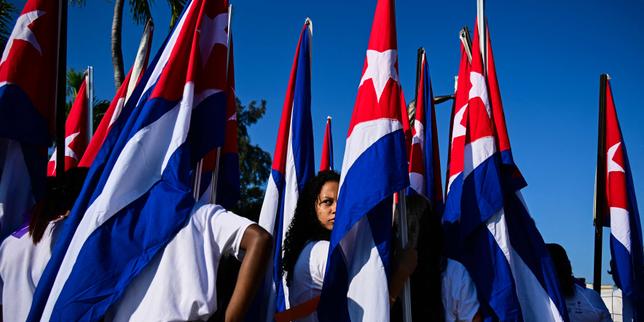
Curitiba isn't the first place you'd expect to find a massive Caribbean community. It's cold. The winters in Paraná bite with a damp chill that feels worlds away from the humid breeze of Havana. Yet, walk through the central streets or the bustling neighborhoods of the metropolitan area, and the accent is unmistakable. Cubans are here in numbers that have completely shifted the local demographic map. This isn't a temporary stopover anymore. For thousands of Cuban migrants, this southern Brazilian city has become the definitive plan B after the collapse of dreams elsewhere.
The shift happened fast. While Miami remains the traditional magnet, the tightening of U.S. borders and the brutal economic reality in Cuba forced a pivot. Brazil, with its relatively open migration policy and the Mais Médicos (More Doctors) program, initially opened the door. But while many doctors stayed, a second, much larger wave of migrants followed—people coming from the island or fleeing the failed economies of neighboring South American countries. They chose Curitiba not for the weather, but for the jobs.
The myth of the easy transition
I've talked to enough people on the ground to know that the "Brazilian dream" is often a grind. Many arrive thinking the language barrier between Spanish and Portuguese is a minor hurdle. It’s not. While you can get by with "Portuñol" in a grocery store, try negotiating a work contract or explaining a complex medical history. That gap creates a layer of isolation that doesn't just vanish over time.
Most Cuban arrivals in Curitiba are overqualified for the work they find. You’ll see former engineers driving Ubers or teachers working in frigoríficos (meat-packing plants). The struggle isn't just about money. It's about the loss of identity. Back home, they were professionals. Here, they're often seen as cheap labor. The city’s infrastructure is better than most in Brazil, sure, but the cost of living in Curitiba has spiked. Rent in neighborhoods like Cajuru or Pinheirinho eats up a massive chunk of a minimum wage salary.
Why Curitiba won the migration lottery
You have to wonder why they don't all just stay in São Paulo or head to Rio. The answer is stability. Curitiba has a reputation for being "organized," even if that’s a bit of a local marketing cliché. The city’s public transport system, though aging, still functions better than most. For a migrant without a car, that’s a lifeline.
There’s also a snowball effect at play. Migration is social. Once a small community established itself in Curitiba, they sent word back. They told their cousins in Camagüey or their friends stuck in transit in Guyana that Paraná had jobs. The local industries—especially the automotive and food processing sectors—have a constant hunger for manual labor. Cubans, known for being highly educated and disciplined, fit the bill perfectly for local HR departments.
The shadow of the Mais Médicos program
We can't talk about this without mentioning the political fallout of the Mais Médicos program. When the program was upended by political shifts between 2018 and 2022, hundreds of Cuban doctors were left in a legal limbo. They couldn't go back without facing consequences from the Cuban government, and they couldn't practice medicine in Brazil without passing the notoriously difficult Revalida exam.
Many of these doctors settled in the Curitiba area. They became the anchors. They helped the newer waves navigate the Federal Police appointments and the SUS (Unified Health System) paperwork. It’s a strange irony. The people trained to save lives ended up working in logistics or retail, yet they remain the intellectual backbone of the diaspora in the south.
The reality of the Guyana route
Most people don't realize how grueling the trip to Curitiba actually is. It’s rarely a direct flight. For a huge portion of this community, the journey started with a flight to Guyana, one of the few places that didn't require a visa for a long time. From there, it's a dangerous trek through the Amazon, crossing the border into Roraima at Pacaraima.
They cross the "line" and then face the long haul down to the south. The Brazilian government's interiorização program—designed to move migrants from the crowded northern borders to cities with more jobs—played a huge role here. Curitiba was one of the primary destinations. But being "interiorized" only gets you a bus ticket and a temporary bed. After that, you're on your own in a city that can be socially icy to outsiders.
Facing the Curitibano coldness
There’s a common joke in Brazil that "Curitibanos don't talk to their neighbors." For the extroverted, community-oriented Cuban culture, this is a genuine shock. In Havana, life happens on the porch. In Curitiba, life happens behind closed doors and electric fences.
This cultural friction is real. It leads to a specific kind of loneliness. Cubans have responded by creating their own "Little Havanas" in the form of WhatsApp groups and small informal businesses. They sell ropa vieja from their apartments or organize baseball games in parks where everyone else is playing football. They aren't just blending in; they're subtly rewriting the city's social code.
Economic impact and the hustle
Don't let the stories of hardship fool you into thinking this is a one-sided relationship. Curitiba's economy is leaning on this migration. The manufacturing belt around the city, in places like São José dos Pinhais, relies on the influx of workers willing to take shifts that locals might pass up.
- Entrepreneurship: Small Cuban-owned barbershops and cafes are popping up.
- Labor Market: Increased competition in entry-level service jobs.
- Remittances: A huge portion of the Reais earned in Curitiba goes right back to the island, keeping families alive in Havana.
The resilience is staggering. I’ve seen people work 12-hour shifts and then spend their nights studying Portuguese or prepping for the Revalida. They aren't looking for handouts. They’re looking for the right to exist and work in a place where the electricity stays on and the shelves aren't empty.
What happens when the novelty wears off
Brazil's patience with migration fluctuates with its GDP. Right now, the "novelty" of the Cuban wave in Curitiba has passed. It's just a part of the city's fabric now. But that also means the specialized support services are drying up. NGOs are stretched thin. The local government's focus has shifted to other crises.
The migrants who arrived three or four years ago are now the veterans. They're the ones warning the newcomers about the high cost of electricity in the winter and the difficulty of getting a formal work permit without a permanent address. The bureaucracy is a hydra. You cut off one head—get your CPF (tax ID)—and two more grow—opening a bank account or getting your foreign diploma recognized.
Moving forward in the south
If you're looking at Curitiba as a case study, it shows that migration isn't just about the border. It's about what happens in year two, three, and five. The city has managed to absorb thousands of Cubans without the social collapse some alarmists predicted. But the integration is far from perfect.
To make this work long-term, the focus needs to shift from basic humanitarian aid to professional recognition. Brazil is wasting talent. Having a trained cardiologist stocking shelves in a Curitiba supermarket is an economic failure. The path to revalidation needs to be more accessible, not just for the sake of the migrants, but for a Brazilian healthcare system that is perpetually understaffed in rural and poor areas.
If you're a migrant or someone supporting the community, focus on these immediate steps to navigate the Curitiba landscape:
- Language First: Don't rely on Spanish. The "Portuñol" trap stops you from getting promoted. Use the free courses offered by the Federal University of Paraná (UFPR).
- Network with the 'Células': Join the local Cuban community groups on Telegram and WhatsApp. They know which employers are actually migrant-friendly and which are exploitative.
- Documentation Hygiene: Keep your Protocolo de Refúgio or residency papers updated months before they expire. The Federal Police in Curitiba are efficient but strict.
- Look Outside the Center: Jobs are often more plentiful in the industrial ring (Araucária, Fazenda Rio Grande) than in the trendy downtown areas.
The Cuban presence in Curitiba is a permanent shift. The city is becoming more diverse, more resilient, and a little more Caribbean every day, even if it still needs a heavy coat to survive the winter.