Wars don't just stay in the trenches. They end up on your dinner plate. If you're looking at the headlines about Iran and wondering why a conflict thousands of miles away makes eggs or cooking oil more expensive, you aren't alone. It's a valid fear. Most people think food inflation is about local crops or bad weather, but the reality is much more global and much more fragile.
When a major power like Iran enters a military standoff, the world’s logistics map gets rewritten overnight. It’s not just about oil. It’s about fertilizer, shipping lanes, and the sheer cost of moving a calorie from Point A to Point B. If you think your local grocery store is immune to a drone strike in the Middle East, you're missing the bigger picture of how modern food systems actually function.
The Straight Line Between Crude Oil and Your Kitchen
Energy isn't just a side cost for farmers. It’s the lifeblood of every single step in the food chain. You need diesel to run the tractors. You need natural gas to manufacture nitrogen-based fertilizers. You need bunker fuel for the massive ships carrying wheat across the ocean. When Iran gets involved in a conflict, the risk premium on oil spikes.
Look at the numbers from previous shocks. According to data from the World Bank and the FAO (Food and Agriculture Organization), a sustained 10% increase in crude oil prices typically translates to a 2% to 3% rise in overall food indices within months. That’s a direct hit. If oil goes to $100 or $120 a barrel because of a blockade in the Strait of Hormuz, the cost of producing a ton of corn or rice climbs before the crop even leaves the soil.
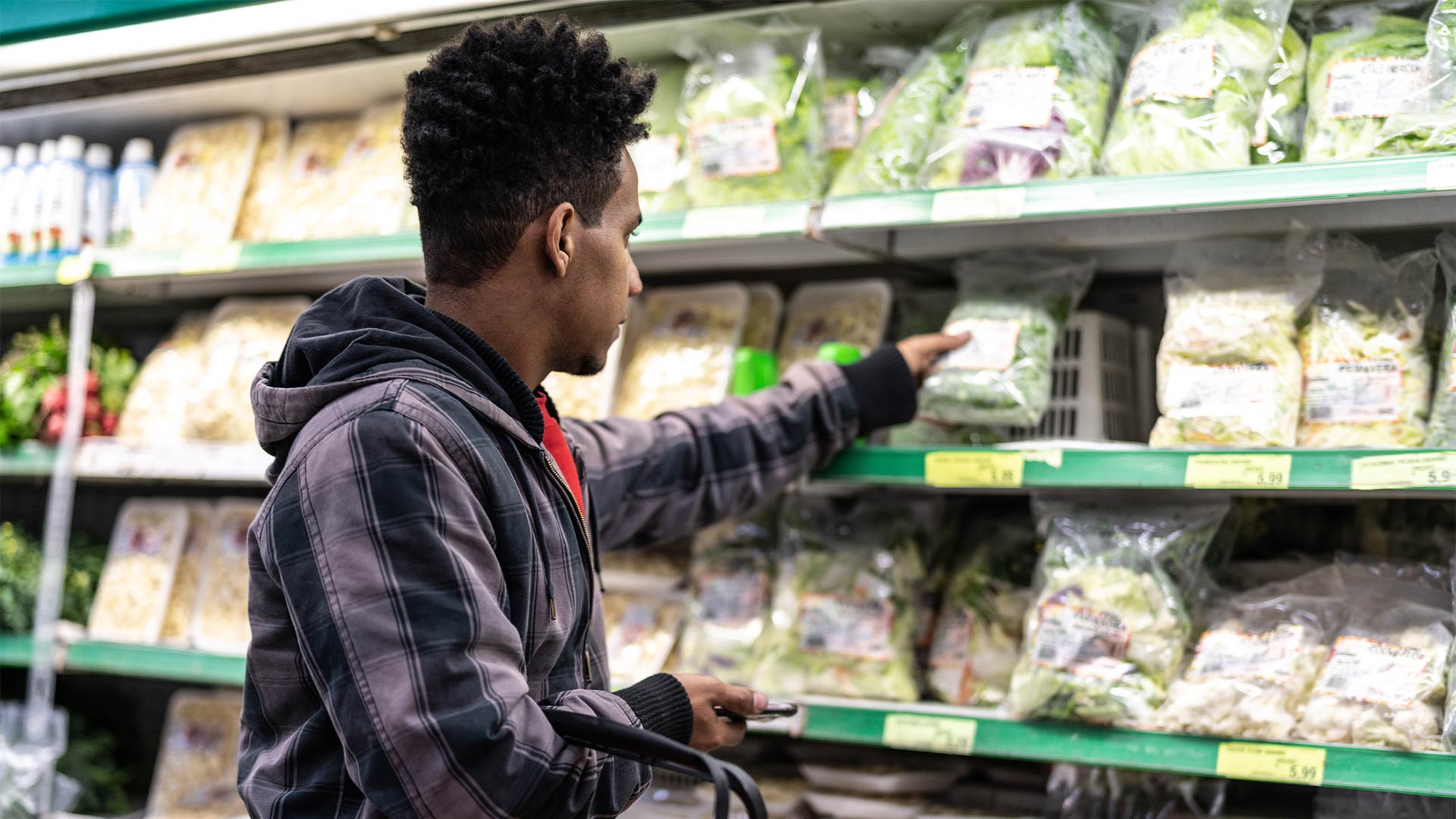
Farmers aren't charities. They pass those costs down. Then the processors pass them to the wholesalers, and the retailers pass them to you. By the time that head of lettuce reaches your cart, it has paid for the expensive diesel that fueled the truck and the expensive gas used to create the fertilizer that grew it. It’s a cascading failure of affordability.
The Strait of Hormuz is a Global Windpipe
Geography is destiny in the world of trade. The Strait of Hormuz is a tiny strip of water, but about 20% of the world’s total liquefied natural gas and oil flows through it. If Iran decides to squeeze that pipe, energy markets go into a frenzy. But there’s a second, more direct threat to food: shipping insurance and route changes.
Shipping companies aren't brave. They’re risk-averse. If a region becomes a war zone, insurance premiums for cargo ships skyrocket. Sometimes they double or triple in a matter of days. Captains might decide to take the long way around, avoiding the Suez Canal or the Persian Gulf. This adds weeks to travel times.
Think about what that does to perishable goods. Longer routes mean higher refrigeration costs and more spoilage. Even for non-perishables like grain, the "idle time" cost is massive. We saw this during the Red Sea disruptions earlier this decade. When ships divert, the global supply of available containers shrinks, driving up shipping rates everywhere, even on routes that have nothing to do with the Middle East.
Fertilizer is the Silent Killer of Food Budgets
This is the part most news reports skip. Iran is a significant producer of urea and other nitrogen-rich fertilizers. Even if you don't buy Iranian food, the world’s farmers buy Iranian chemicals to grow their own. Nitrogen fertilizer is made using natural gas. If gas supplies are diverted or Iranian exports are sanctioned out of existence, the global supply of fertilizer drops.
When fertilizer prices go up, farmers do one of two things. They either raise their prices to cover the cost, or they use less fertilizer. Using less fertilizer means lower crop yields. Lower yields mean less food on the global market. It’s a simple supply and demand trap.
Back in 2022, when energy prices spiked due to the Russia-Ukraine conflict, fertilizer prices hit all-time highs. We saw the result: a global food price crisis that pushed millions into food insecurity. An Iran-led conflict threatens to trigger a "Part 2" of that crisis, specifically hitting markets in Asia and Africa that rely on Middle Eastern chemical exports.
The Psychological Spike and Hoarding
Markets aren't always rational. They’re driven by humans who get scared. The moment a war starts, commodity traders start betting on "what if" scenarios. They buy up "long" positions on wheat, soy, and corn, betting that prices will go up. This speculation actually causes the prices to go up before any real shortage even happens.
Governments react the same way. They get nervous about feeding their own people and start banning exports. We’ve seen this with India and rice or Indonesia and palm oil. When one country panics and shuts its borders to protect its domestic food supply, it creates a vacuum in the global market. Prices elsewhere jump. It’s a domino effect where fear does more damage than the actual bombs.
How You Protect Your Wallet
You can't stop a war, but you can change how you shop. If you see tensions rising, don't wait for the price tags to change at the store.
- Buy in bulk now. Focus on dry goods and staples that have a long shelf life. Rice, beans, and pasta are energy-intensive to move. Buy them before the transport surcharges hit.
- Track the "Big Three." Keep an eye on the price of Brent Crude, Urea, and Wheat. If all three are climbing simultaneously, food inflation is 3-6 months away from hitting your local supermarket.
- Look for local alternatives. The further food has to travel, the more "war tax" you pay in the form of shipping costs. Farmers' markets aren't just for hipsters; they're a hedge against global shipping disruptions.
The reality is that our food system is too lean. We have "just-in-time" delivery for almost everything. That works great when the world is at peace, but it's a disaster when a major geopolitical player like Iran moves toward a hot war. Stop thinking of these conflicts as political theater. They’re direct threats to your purchasing power. Pay attention to the energy markets today, or you'll be paying for them at the checkout counter tomorrow.
Move your budget toward shelf-stable essentials while prices are still "normal." If the Strait of Hormuz closes even for a week, that window of normalcy shuts. Hard.