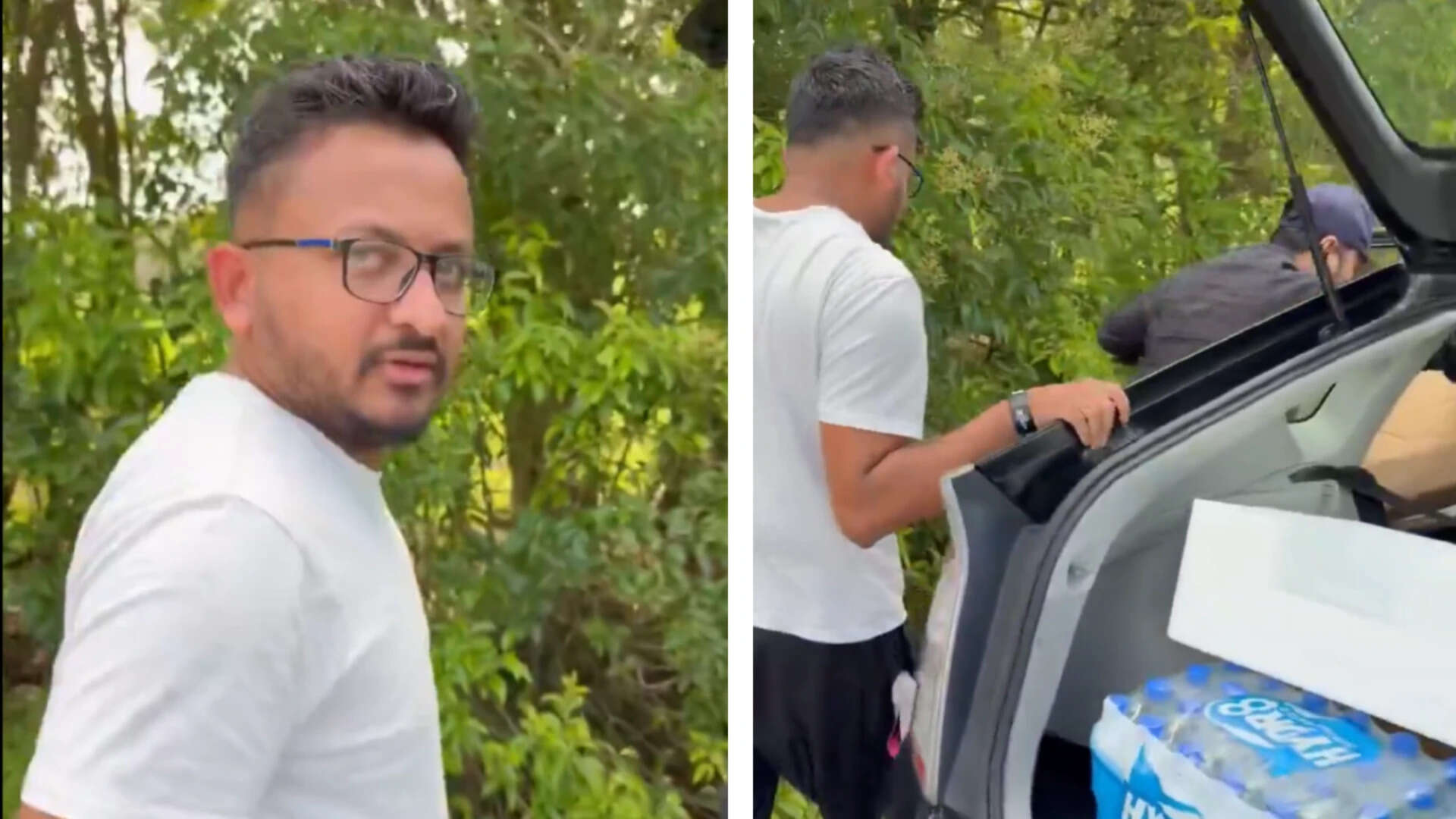
He threw a bag of trash. That’s how it started. A few seconds of footage captured an Indian man tossing refuse from his car onto a roadside, and within hours, he wasn't just a litterer anymore. He was a national villain. If you’ve spent any time on social media lately, you know the script. Someone records a lapse in judgment, uploads it with a catchy, indignant caption, and the algorithm does the rest. But what happens when the digital shaming transforms into a relentless campaign of personal harassment?
The man at the center of this viral storm found out the hard way. Despite issuing a public apology and expressing genuine remorse for his actions, his phone hasn't stopped ringing. It’s not friends or family on the other end. It’s strangers from across the country calling to scream insults, threaten his safety, and remind him that his mistake is now his permanent identity. This isn't just about littering. It’s about the terrifying speed of internet justice and the total lack of a "delete" button for human reputation in 2026.
When a Mistake Becomes a Viral Target
The video was clear enough. You see the car, you see the arm, and you see the trash hit the ground. In a country currently obsessed with cleanliness drives and civic pride, this was bait the internet couldn't resist. Local influencers and "vigilante" accounts picked it up quickly. They didn't just blur the license plate; they highlighted it. They didn't just criticize the act; they went after the man's character.
Public shaming used to be local. If you did something wrong in your village, your neighbors knew, you felt the heat, and eventually, you moved on. Now, the village is the entire world. When this man’s contact information was leaked—likely by someone "doxxing" him in the comments—the scale of the backlash shifted from social commentary to targeted psychological warfare.
People think they're being heroes when they hit 'share' on a shaming video. They feel like they're part of a movement for a cleaner India. But there’s a massive gap between wanting a cleaner street and making a man’s life a living hell over a bag of plastic. Honestly, we’ve lost the plot on proportionality.
The Apology That Didn't Matter
"I already apologised," the man told local reporters, his voice sounding exhausted. He didn't hide. He didn't make excuses. He admitted he was wrong, cited a moment of poor judgment, and asked for a chance to make amends. In a sane world, that would be the end of the chapter. You pay the fine, you do some community service, and the public moves on to the next thing.
That didn't happen here.
The problem with the internet is that it doesn't have a mechanism for forgiveness. An apology is just more content for the machine. For every person who saw his apology, ten more saw the original video without the context of his regret. Digital outrage is a one-way street. Once the mob decides you're the "bad guy," no amount of "I'm sorry" can shift the narrative. He’s stuck in a loop where he’s constantly being punished for a version of himself that existed for ten seconds on a Tuesday afternoon.
The Psychology of the Digital Mob
Why do people keep calling? Why do they feel the need to personally abuse a stranger?
- Anonymity as a Shield: Most of these callers would never say these things to his face. The phone screen provides a layer of protection that strips away empathy.
- Moral Grandstanding: By attacking him, the callers convince themselves they're "better" citizens. It’s a cheap way to feel virtuous without actually doing anything productive.
- The Reward Loop: Getting likes on a hateful comment or sharing a "successful" doxxing gives a hit of dopamine. It’s addictive.
The Dangerous Trend of Doxxing in India
Doxxing—the act of publishing private information about an individual with malicious intent—is becoming a go-to weapon in the Indian social media landscape. It’s effective, it’s fast, and it’s incredibly hard to police. In this case, the man’s phone number was spread across WhatsApp groups and Telegram channels like wildfire.
The legal system isn't keeping up. While India has laws under the IT Act that deal with harassment and privacy, the sheer volume of attackers makes enforcement nearly impossible. You can't jail ten thousand people for making a mean phone call. This leaves the victim in a state of legal limbo. He’s been "sentenced" by the public without a trial, and there’s no way to appeal the verdict.
If you think this couldn't happen to you, you're wrong. Everyone has a bad day. Everyone has a moment where they aren't their best selves. In the past, those moments disappeared into the ether. Today, they’re recorded in 4K.
How to Handle Viral Backlash Without Losing Your Mind
If you ever find yourself on the wrong side of a viral video, you need to act fast. The man in this story tried to apologize, but he didn't have a strategy to protect his privacy. Here is what you actually need to do if the mob comes for you.
First, lock down everything. Change your social media handles. Set everything to private. If your phone number is leaked, don't try to "tough it out." Get a new SIM card immediately. You can't argue with ten thousand people. You will lose. Every time you pick up the phone to defend yourself, you’re just giving them more material to use against you.
Second, document the abuse. If people are threatening your life or your family, take screenshots. Record the calls. Even if the police can't catch everyone, having a record is vital if you need to seek a restraining order or file a formal complaint against the primary instigators.
Third, wait. The internet has the attention span of a goldfish. Next week, there will be a new villain. Another person will do something silly on camera, and the mob will move its gaze. It feels like the end of the world right now, but the cycle always repeats.
Moving Beyond the Shaming Culture
We need to stop rewarding "vigilante" content. When you see a video of someone doing something wrong—whether it’s littering, cutting someone off in traffic, or being rude in a shop—resist the urge to share it with a "Look at this idiot" caption.
If you really care about the issue, report it to the authorities. If someone is littering, call the municipal corporation. If someone is driving dangerously, report the plate to the traffic police. That’s how a functioning society works. Turning a private citizen into a national punching bag doesn't fix the littering problem. It just creates a more toxic, fearful environment for everyone.
This man shouldn't have dumped his trash on the road. That’s a fact. He deserved a fine and a stern talking-to. But he doesn't deserve to live in fear of his phone ringing. We've traded civic duty for digital cruelty, and it’s a bad deal for everyone involved.
Stop clicking on the outrage. Delete the number if it lands in your WhatsApp group. Realize that there’s a human being on the other side of that screen who is probably a lot like you—flawed, stressed, and capable of making a mistake. It’s time we brought some basic decency back to the digital town square before it burns down completely.