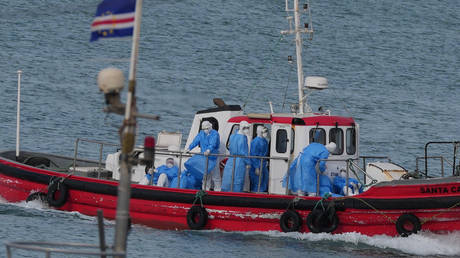
The sudden panic surrounding a hantavirus outbreak on a cruise ship points to a deeper, more systemic failure in maritime health protocols. While most travelers worry about the common norovirus—the "stomach bug" that frequently makes headlines—hantavirus introduces a much higher stakes game. This is not a virus that merely ruins a vacation; it is a severe respiratory or hemorrhagic threat that carries a significantly higher mortality rate. The primary danger lies in the disconnect between traditional cruise sanitation and the specific biology of how hantavirus spreads from rodents to humans.
The Failure of Standard Sanitation
Cruise lines have perfected the art of wiping down surfaces. You see crew members constantly polishing brass rails and spraying tables with bleach solutions. These measures are designed to combat contact-based transmission. Hantavirus ignores this defense entirely. Because the virus is typically contracted by breathing in air contaminated with the saliva, urine, or droppings of infected rodents, a clean-looking surface is irrelevant.
If a ship has a rodent problem in its lower decks, storage areas, or ventilation shafts, the HVAC system becomes a delivery mechanism. The virus is hardy. It can survive in dry dust for days, waiting for a passenger to walk by or for a vent to kick on. Standard antimicrobial sprays do nothing to clear the air of aerosolized particles lurking in the ductwork.
Why Hantavirus Is Different
Most viral outbreaks at sea are "point-to-point." One passenger brings a cold or flu on board, touches a buffet spoon, and the chain begins. Hantavirus is an environmental threat. It suggests that the vessel itself, or the port facilities where it loads supplies, has a breach in its pest exclusion perimeter.
Medical teams on these ships are trained to identify gastrointestinal distress. They are less prepared for Hantavirus Pulmonary Syndrome (HPS). The early symptoms—fever, muscle aches, and fatigue—look like every other travel-related fatigue or minor infection. By the time the signature shortness of breath appears, the patient is often in a critical state that a small shipboard infirmary cannot handle.
The Port Connection and Supply Chain Risks
No cruise ship is an island, despite the marketing. Every few days, these massive vessels dock and take on tons of food, linens, and supplies. This is the moment of maximum vulnerability.
Investigations into maritime pest control reveal that the "outbreak" likely began long before the first passenger sneezed. Rodents are notorious hitchhikers in shipping containers and palletized goods. If a regional port is experiencing a surge in deer mouse or rat populations due to local weather patterns or construction, the ship essentially "imports" the virus during a routine restock.
Infrastructure Weaknesses
The focus on the passenger experience often comes at the expense of back-of-house maintenance. Modern cruise ships are marvels of engineering, but they are also incredibly complex mazes of crawl spaces, wiring runs, and insulation. These are perfect habitats for rodents.
- Ventilation Gaps: Older ships in a fleet may have aging filtration systems that cannot trap fine particulates.
- Storage Density: Bulk food storage provides both a food source and nesting material for pests.
- Inadequate Testing: While ships test their water daily, they rarely test air quality or dust samples for viral traces unless a crisis is already underway.
The Financial Pressure to Keep Moving
The cruise industry operates on razor-thin schedules. A ship that sits in dry dock for a deep environmental scrub loses millions of dollars every day. This creates a dangerous incentive for companies to treat outbreaks as isolated incidents rather than a sign of a contaminated environment.
When a cruise line reports an "isolated case," they are often hoping the incubation period for other passengers lasts until they have disembarked. This shifts the burden of the outbreak onto the public health systems of the passengers' home cities. It is a brilliant, if cynical, way to manage a balance sheet while a public health crisis simmers in the vents.
The True Mortality Gap
We must look at the numbers. Norovirus has a mortality rate of less than 1%. HPS, depending on the strain and the speed of treatment, can have a fatality rate as high as 38%. This is not a "shipboard fever." This is a critical care emergency.
The industry’s current reliance on "self-reporting" health questionnaires is a relic of a simpler time. A passenger who has spent $5,000 on a balcony suite is unlikely to admit they feel a bit achy at the boarding terminal. By the time they are symptomatic in the middle of the ocean, the air they have shared with 3,000 other people has already done its work.
Breaking the Cycle of Reactivity
Fixing this requires more than just better soap. It requires a fundamental shift in how maritime air is filtered and how pest exclusion is audited.
High-efficiency particulate air (HEPA) filtration should be the standard for all common areas and staterooms, not just a luxury upgrade or a post-incident fix. More importantly, independent health inspectors—not those on the company payroll—need the authority to board a ship at any port and conduct environmental DNA (eDNA) testing. This technology can detect the presence of rodent DNA or specific viral markers in the air and dust before a single human gets sick.
The industry likes to talk about "guest safety" as its top priority. However, until we see a massive investment in the hidden guts of these ships—the places where passengers never go but where the air they breathe begins—those statements remain marketing fluff.
Travelers should demand to see the ship's most recent environmental health audit, not just its "star rating" for the buffet. If a company cannot prove its air is clean, the luxury of the cabin is a distraction from a genuine biological hazard.
Check the dates of the last major HVAC overhaul before booking.


