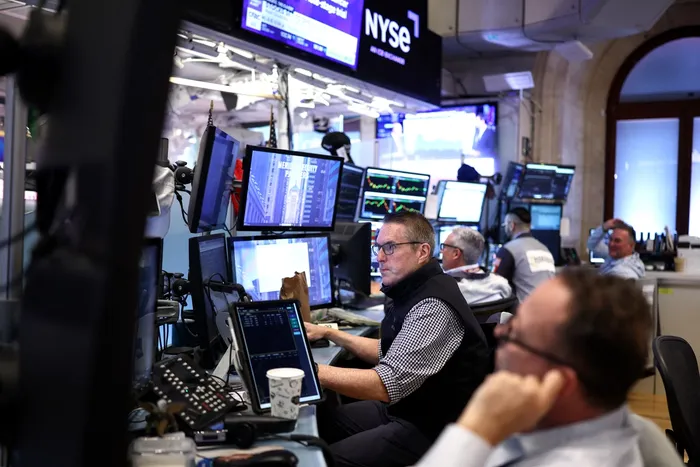
Wall Street and Tokyo just staged a massive relief rally, and it’s all thanks to a few whispers from the Persian Gulf. If you’ve been watching your portfolio bleed over the last two months of the Iran conflict, today felt like a long-awaited exhale.
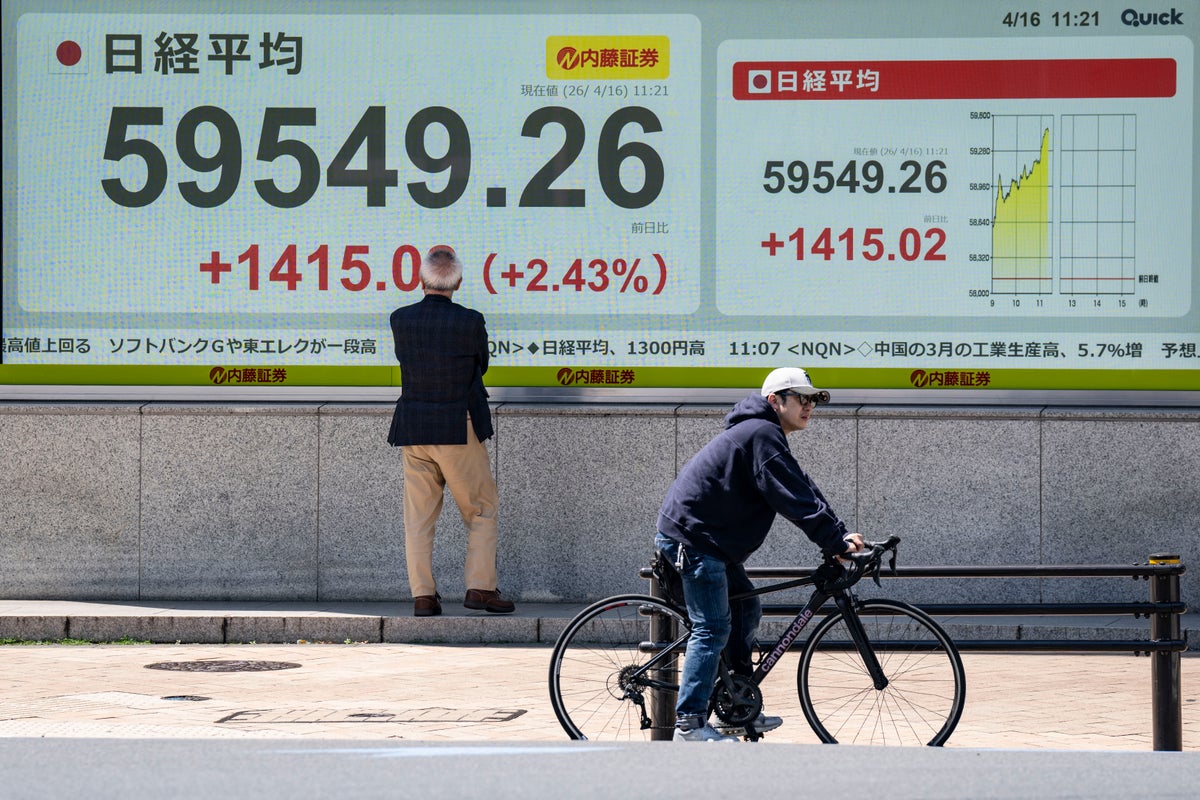
For the first time in weeks, Brent crude dipped below the $95 mark. Meanwhile, Asian markets didn't just bounce—they shattered records. Tokyo’s Nikkei 225 surged over 2%, hitting a historic 59,549.59. Traders are betting big that a "peace deal" isn't just a pipe dream anymore. But before you go all-in on the recovery, let’s look at whether this is a genuine turning point or just another "TACO" moment—where the market thinks Trump always chickens out when the financial pain gets too high.
The $95 Threshold and Why It Matters
Oil prices have been the primary engine of global anxiety since the "February Strikes" began. When the Strait of Hormuz effectively closed, we saw Brent rocket toward $128 in early April. Seeing it slide back under $95 isn't just a minor fluctuation; it’s a psychological break.
The drop is driven by reports of an "in-principle agreement" to extend the current two-week ceasefire. Investors are betting that the U.S. and Iran are finally exhausted. When oil stays above $100, it acts as a massive tax on the global economy. At $95, there’s a glimmer of hope that inflation won't completely wreck the year.
Asia Stocks Aren't Just Up—They Are Breaking Records
While the U.S. markets are doing okay, Asia is where the real action is. The Nikkei’s jump wasn't a fluke. It’s a reaction to the region's extreme sensitivity to energy costs. Japan and South Korea import almost every drop of oil they use. Lower oil prices mean lower manufacturing costs and better margins for their tech giants.
- Nikkei 225: Jumped 2.4% to nearly 60,000.
- Kospi (South Korea): Climbed 2% to 6,215.38.
- Hang Seng: Gained 1.2% despite ongoing regional tensions.
China also dropped a 5% GDP growth report for the first quarter. That’s better than most expected, considering they've been dodging the fallout of a naval blockade. If the Strait of Hormuz actually reopens, that export engine is going to kick into overdrive.
The Trump Factor and the TACO Trade
There’s a cynical term floating around trading floors right now: the "TACO" trade. It stands for "Trump Always Chickens Out." The theory is that whenever the S&P 500 shows enough red or gas prices at the pump hit a certain "danger zone," the administration softens its stance.
We saw it with the "Liberation Day" tariffs last year, and we’re seeing it now with the Iran ceasefire. Treasury Secretary Scott Bessent has been hinting at secondary sanctions for anyone buying Iranian oil, but the market is calling the bluff. Investors believe the White House won't risk a total global depression over a blockade that clearly isn't working as intended.
Is This Peace Real or Just a Pause?
Don't get too comfortable. While the ceasefire might be extended, the underlying issues are messy. Iran’s Revolutionary Guard hasn't backed down, and the U.S. is still pushing for a total halt to their nuclear program—something Tehran sees as their only leverage.
The U.S. Energy Information Administration (EIA) actually boosted its 2026 Brent projection to $96 recently. They expect disruptions to linger through late 2026. This means that while we’re seeing a dip now, the "risk premium"—that extra few dollars we pay just because the world is chaotic—isn't going away.
What You Should Be Watching
- The Strait of Hormuz Traffic: Until tankers are moving freely without military escorts, the oil "discount" is temporary.
- Gold Prices: Interestingly, gold is still hovering near record highs ($4,765/oz). If the "smart money" really believed peace was permanent, they’d be dumping gold for more aggressive stocks. They aren't.
- The Fed’s Reaction: Lower oil helps with inflation, but if the economy remains too "hot" because of this stock market surge, the Fed might keep interest rates higher for longer.
How to Play This Market
If you're looking to put money to work, the "relief rally" in Asian tech looks attractive, but you've got to be fast. These gains are built on headlines, not necessarily on a signed treaty.
I’d focus on high-quality companies that proved they could handle $120 oil. If they survived that, they’ll thrive at $90. But keep your stop-losses tight. Geopolitics is a fickle mistress, and one rogue drone could send Brent back to $115 overnight.
The smart move? Don't chase the record highs in Tokyo today. Wait to see if the ceasefire extension actually gets signed next week. If the talks fail, the reversal will be brutal. You don't want to be the one holding the bag when the TACO trade turns sour.