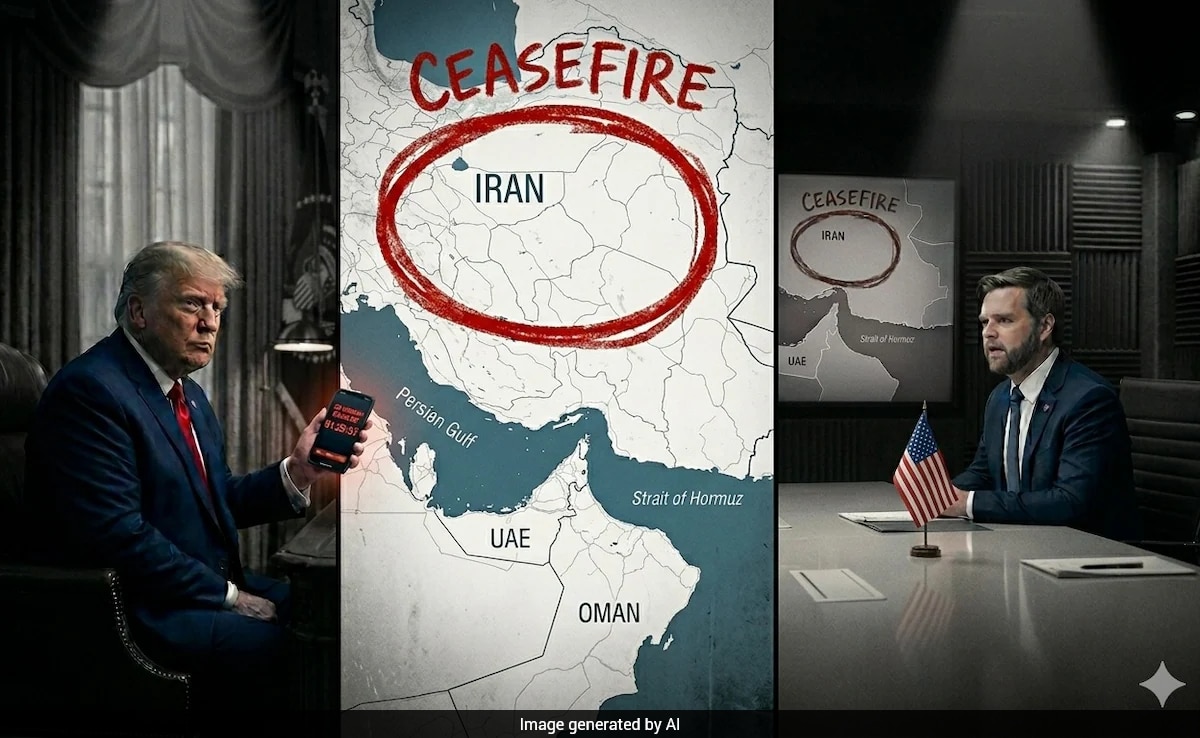
JD Vance didn't go to Islamabad to make friends. He went to deliver an ultimatum. After 21 grueling hours of negotiations in the Pakistani capital, the Vice President boarded Air Force Two on Sunday morning, April 12, 2026, without a signed peace treaty. The war, now in its seventh week, remains in a state of precarious limbo.
Vance was blunt about the lack of progress. He told reporters he'd been on the phone with Donald Trump "a half dozen times, a dozen times" throughout the marathon session. That's a lot of check-ins for a man supposedly leading the charge. It shows exactly where the power lies in this administration. Trump isn't just the boss; he's the lead negotiator, even from thousands of miles away.
The nuclear wall in Islamabad
The talks hit a dead end because of one thing: nuclear weapons. Vance made it clear that the U.S. demanded an "affirmative commitment" that Iran would scrap its nuclear ambitions and the tools to build them. Iran isn't biting. To them, the U.S. demands are "excessive" and "unreasonable."
You've got to look at who was in the room. On one side, Vance, a man with little diplomatic seasoning who's historically been a skeptic of foreign entanglements. On the other, Mohammad Bagher Qalibaf, the Iranian Parliament Speaker and former Revolutionary Guard commander. These aren't diplomats who speak in riddles. They're hardliners.
Qalibaf didn't mince words after the collapse. He said Iran has "no trust" in the U.S. after the experiences of the last two months. He claims the Iranian side brought "constructive initiatives" to the table, but the U.S. couldn't—or wouldn't—earn their trust.
Trump’s shadow over the table
While Vance was locked in a room in Islamabad, Trump was at the White House downplaying the whole thing. He told journalists that whether a deal happens or not "makes no difference" to him. In his view, the U.S. has already won.
This isn't just bravado. It's a tactic. By signaling that he's perfectly fine with the war continuing, Trump tries to strip the Iranians of their leverage. He's also busy elsewhere. The U.S. Navy is currently sweeping the Strait of Hormuz for mines. This is the first time American destroyers have entered the strait since the war started on February 28.
Trump's "I don't care" attitude is a direct contrast to the 21 hours of "deep negotiations" Vance described. It’s a classic good cop, bad cop routine, except the "bad cop" is the President and the "good cop" is the Vice President making a dozen phone calls to check his notes.
What's actually at stake right now
Forget the diplomatic fluff. Here’s what matters for your wallet and global security:
- The Strait of Hormuz: It's still effectively closed. This is a chokepoint for 20% of the world’s oil. As long as it's blocked, oil prices are going to stay in the stratosphere.
- The Ceasefire: The two-week ceasefire announced on April 7 is fragile. Vance didn't say if it would hold now that the talks have stalled.
- The Nuclear Question: Iran says they aren't building a bomb. The U.S. doesn't believe them. This is the same stalemate we've seen for decades, but now it’s happening in the middle of an active shooting war.
Vance was joined in Pakistan by some heavy hitters: Jared Kushner and special envoy Steve Witkoff. Having Kushner there is a signal that this isn't just about the current war; it’s about the broader Middle East realignment Trump has been pushing for years.
The mistake of thinking this is over
The media is framing this as a total failure. That’s a mistake. Iranian state media noted "serious" differences, but they also mentioned that messages are still being exchanged. Technical personnel from both sides are reportedly still meeting in Islamabad.
The U.S. team left a "final and best offer" on the table. Now, the ball is in Tehran's court. They can accept the terms and get the U.S. military off their doorstep, or they can keep testing Trump's patience.
Honestly, it’s a high-stakes game of chicken. Vance said the failure to reach a deal is "bad news for Iran much more than it's bad news for the United States." He's betting that the economic and military pressure will eventually break the Iranian resolve.
If you're watching this closely, keep an eye on the Strait of Hormuz. If the U.S. mine-clearing operation leads to a direct confrontation, the Islamabad talks will look like a footnote in a much larger conflict. For now, the next move is up to the Supreme Leader in Tehran. Don't expect a quick answer.
If you want to track the impact of these failed talks, monitor the Brent Crude oil index and the movement of the USS Abraham Lincoln carrier strike group. Those are better indicators of peace than any press conference in Pakistan.