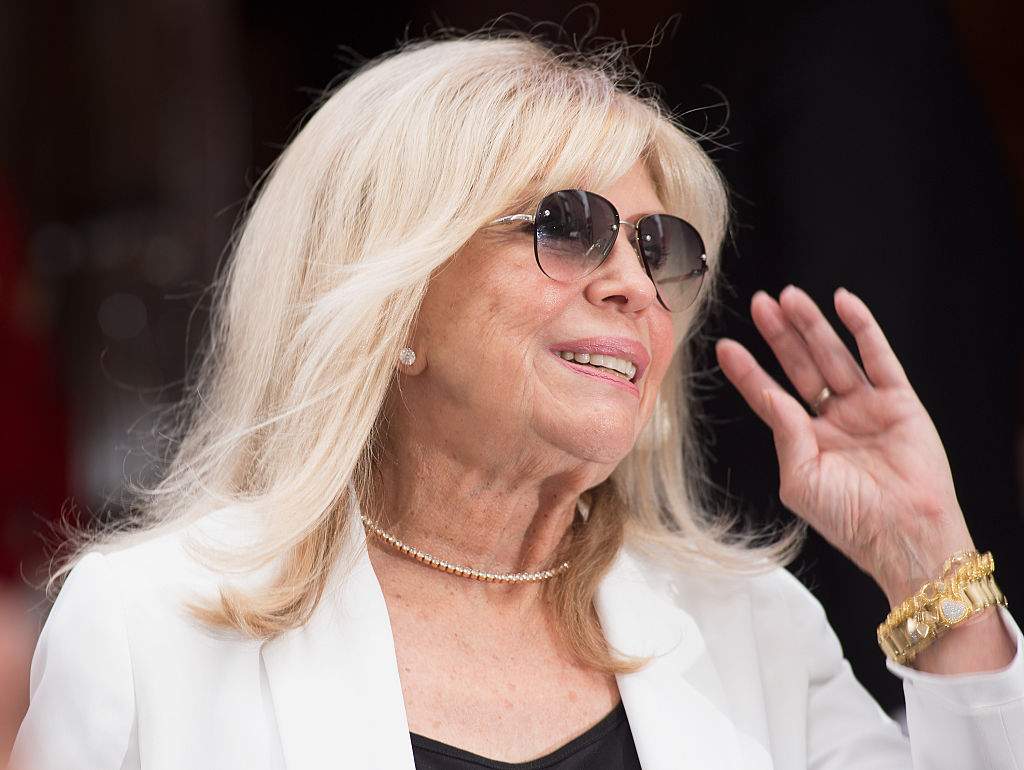
Frank Sinatra’s music has become a weird battleground. You've likely seen the headlines. Nancy Sinatra, the singer’s daughter, keeps stepping in to clarify that her father wouldn't have aligned himself with Donald Trump. It happened again recently. Trump posted a clip on Truth Social featuring a 1974 performance of "My Way" at Madison Square Garden. No context. No explanation. Just the music.
Nancy didn't hold back. She publicly labeled the action "sacrilege." She echoed sentiments from fans suggesting her father, a champion for equality and civil rights, would’ve detested the association. It's a clash between a legendary artist’s legacy and a political figure’s use of his iconic soundtrack. But why does this keep happening? And why is it so hard to stop?
The Problem With Political Music Usage
People often assume that if a song is famous, anyone can use it at a public event. That’s rarely true. Copyright is complicated. When a politician plays music at a rally, they aren’t usually buying the rights to the song directly from the artist. Instead, they rely on blanket licenses held by the venue—like an arena or convention center—to cover public performances.
Here’s the catch. These standard licenses often exclude political events. Even if a campaign pays a licensing fee, it doesn't give them a free pass to imply an artist’s endorsement. That’s where the legal headaches start. It's why artists ranging from Neil Young to Beyoncé have raised alarms when their tracks get pulled into political orbits.
Why Artists Can't Just Say No
I know what you're thinking. Why can't Nancy simply call up a lawyer and pull the plug?
She answered this herself. When a fan asked how to prevent these incidents, she admitted it’s not really in her hands. The power usually rests with the publishers who manage the catalogs. Unless an artist owns their own publishing rights outright, they often have limited control over where a song is played by third parties.
It feels fundamentally wrong, right? You build a life’s work, and suddenly it’s the backdrop for a message you might despise. But the law cares more about the paperwork than the artistic intent. The reality is that once a song enters the public consciousness, especially one as massive as "My Way," keeping it away from specific political arenas is a logistical nightmare.
The First Line Tells the Story
There’s a bit of dark irony that followers of this story often point out. "My Way," the song Trump seems drawn to, opens with the line: "And now, the end is near."
When Trump used the track for his inaugural dance in 2017, the internet didn't miss that detail. Nancy certainly didn't. She once joked to a fan to "remember the first line of the song" when asked about its use. It’s a biting observation. She’s essentially telling critics—and the former president—that the lyrics themselves carry a weight that contradicts the triumphant image he’s trying to build.
The Legacy of a Different Era
Frank Sinatra wasn't just a singer. He was a cultural force. He openly supported the Civil Rights movement when it was far from popular to do so. He broke barriers in Las Vegas and used his status to challenge inequality. This is exactly why Nancy protects his name so fiercely.
She isn't just protecting a song. She’s protecting the values her father lived by. When she says her father "loathed" the idea of someone like Trump, she isn't just offering an opinion. She’s trying to correct a narrative. She knows that history is written by those who tell the stories. If she stays silent, the association between her father’s music and modern political rhetoric becomes the default.
What This Means for You
If you’re watching this play out, keep a few things in mind:
- Check the license. Don’t assume public performance means political endorsement. Laws regarding venue licenses and political use are strictly defined by PROs (Performing Rights Organizations).
- Understand the difference between composition and recording. Sometimes, the issue is the song itself (the composition), other times it's the specific recording (the master). The rights holders for each can be different people or corporations.
- Voice matters. Public figures like Nancy Sinatra use their platform to shift the conversation, even if they can't change the legal reality overnight. Their pushback forces us to ask whether we should allow public figures to treat cultural heritage like a commodity they can rent for a rally.
This isn't ending anytime soon. As long as "My Way" remains the ultimate anthem for someone who thinks they’ve done it all, someone will try to play it. And as long as Nancy Sinatra is around, she’ll be there to remind everyone exactly what her father stood for. It's not just a song dispute. It's a fight over history.