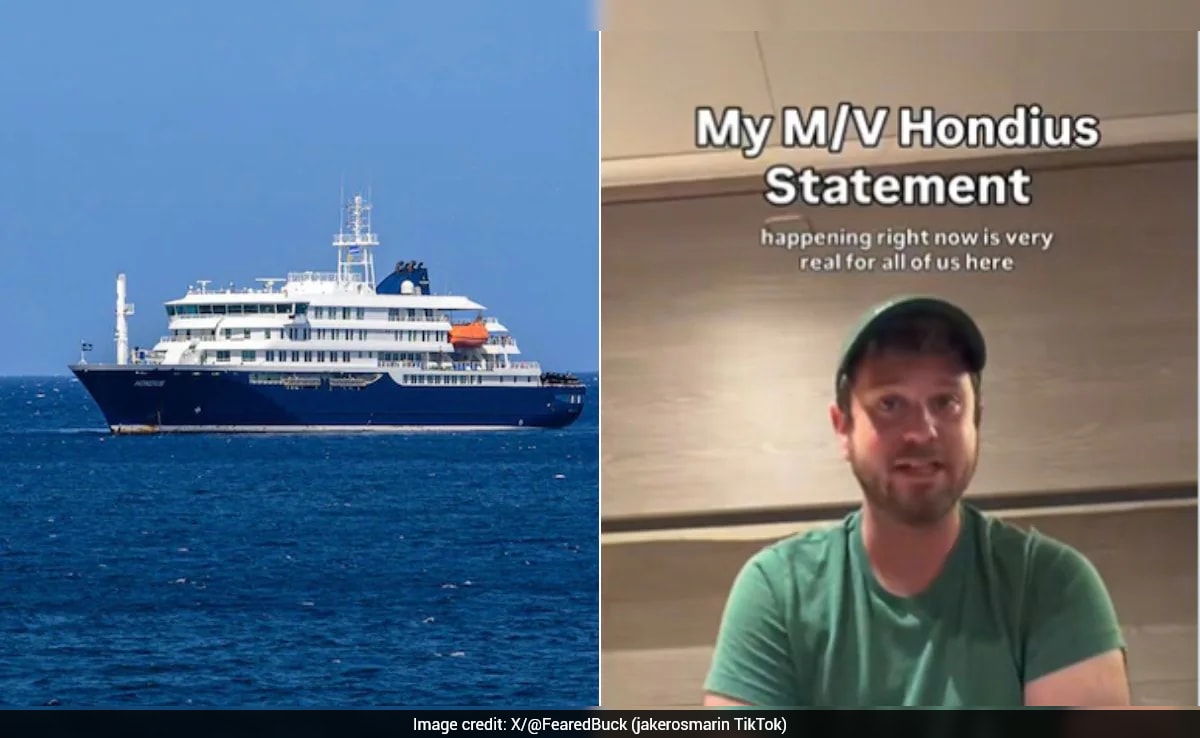
You spend months planning the perfect getaway. You pack the sunscreen, book the excursions, and imagine yourself sipping a drink on the balcony while the ocean breeze hits your face. Then, the announcement comes over the PA system. The ship is under quarantine. The dream vacation just turned into a floating prison.
Cruise ship virus outbreaks aren't just a headline for people who don't travel. They’re a recurring reality that highlights the vulnerability of thousands of people packed into a steel hull. When a virus like Norovirus or a respiratory infection takes hold, the ship stops being a resort. It becomes a laboratory of containment where passengers are the subjects.
Why Cruise Ships Are the Perfect Breeding Ground for Viruses
It’s simple math. You have three thousand passengers and one thousand crew members sharing the same air, the same buffet tongs, and the same elevator buttons. Even the most rigorous cleaning schedule can't keep up with a fast-moving pathogen.
Public health experts from the CDC often point to "fomites"—objects or materials which are likely to carry infection—as the primary culprit. On a ship, everything is a fomite. Think about the handrail on the grand staircase. Hundreds of people touch it every hour. If one person hasn't washed their hands after a trip to the bathroom, the virus spreads like wildfire.
It isn't just about hygiene, though. It’s about density. Ships are designed to maximize space. This means people are constantly in close proximity. Whether you're in the theater, the dining room, or the casino, you're breathing the same recirculated air as everyone else. While modern ships have high-grade HEPA filters, they aren't foolproof.
The Reality of Room Confinement
When an outbreak reaches a certain threshold, the captain has no choice. They trigger the "Red Level" response. This usually means passengers are confined to their cabins.
If you have a balcony suite, it’s a boring staycation. If you’re in an interior cabin with no windows? It’s a psychological test. Imagine spending 23 hours a day in a 150-square-foot room. Your food is delivered in plastic containers and left outside your door. You hear the "clink" of the tray, wait for the crew member to walk away, and then eat your lukewarm meal alone.
The mental toll is massive. I’ve heard stories from passengers who felt the walls closing in after just 48 hours. There’s a specific kind of anxiety that comes with being stuck in the middle of the ocean with no clear end date for your release. You're waiting for the next update, but the updates are often vague.
The Crew Has It Worse
While passengers complain about the Wi-Fi speed or the quality of the room service, the crew is living a nightmare. They're the ones on the front lines. They have to sanitize the entire ship top to bottom while wearing PPE that makes them look like they’re in a sci-fi movie.
Crew members often live in even tighter quarters than passengers. If the virus hits the crew decks, the ship’s ability to function starts to crumble. You can’t run a galley or an engine room if half your staff is shivering in their bunks with a fever.
Breaking Down the Norovirus Myth
Most people think "cruise ship virus" equals Norovirus. While that’s common, it’s not the only threat. However, Norovirus is particularly nasty because it’s incredibly hardy. It can survive on surfaces for weeks. It’s also resistant to many common disinfectants.
According to the Vessel Sanitation Program (VSP) managed by the CDC, ships are required to report any gastrointestinal illness that affects more than 3% of the total population on board. When that number hits, the protocols change. You’ll see the self-service buffets disappear. Suddenly, a crew member is dishing out your salad with tongs they’ve bleached ten times.
It’s a reactive measure. By the time 3% of people are showing symptoms, the virus is already everywhere. It’s in the carpets. It’s in the upholstery of the lounge chairs. It’s even in the air if someone gets sick in a public space.
Legal Rights and the Fine Print
You might think you’re entitled to a full refund if you’re trapped on a ship. Read your cruise contract. It’s that long document you clicked "Accept" on without reading.
Cruise lines have protected themselves legally for decades. Most contracts state that the cruise line is not liable for changes in the itinerary or for confinement due to illness. They promise to get you from Point A to Point B, but they don't promise it will be fun.
Often, cruise lines offer "Future Cruise Credits" (FCC) instead of cash. It’s a clever way to keep your money while promising you a redo. But after being stuck in a cabin for five days, many people never want to see a ship again.
How to Protect Yourself Before You Sail
Don't rely on the cruise line to take care of you. You need to be proactive.
- Buy Travel Insurance with "Cancel for Any Reason" (CFAR) coverage. Standard insurance might not cover a quarantine. CFAR is more expensive, but it’s the only way to ensure you aren't out thousands of dollars if things go sideways.
- Check the CDC Green Sheet. The CDC conducts unannounced inspections of cruise ships. You can look up the score of any ship before you book. If a ship has a score below 85, don't get on it.
- Pack a "Go-Bag" for your cabin. This sounds extreme, but it's practical. Bring a Kindle, some basic over-the-counter meds (anti-nausea, electrolytes), and enough prescription medication for an extra week. You don't want to be reliant on the ship’s medical center for basic stuff.
What Happens When You Finally Dock
The ordeal doesn't always end when the ship hits the pier. If the local authorities think the ship is still a risk, they might refuse to let passengers disembark. This creates a diplomatic standoff.
We’ve seen ships sit off the coast of Florida or California for days while lawyers and politicians argue over who is responsible for the passengers. When you finally do get off, you might be looking at a mandatory 14-day quarantine at a government facility or at home.
The logistical chain of a cruise vacation is fragile. Once one link breaks, the whole thing falls apart. The airlines might not want you on their planes. The hotels might not want you in their rooms. You become a pariah.
Taking Control of Your Safety
Cruising is generally safe, but you have to be smart about it. Wash your hands. Use the sanitizer stations, but remember that sanitizer doesn't kill everything—soap and water do.
Avoid the buffet during the first few days of the cruise. That’s when the "onboarding" of viruses happens. If you see someone coughing or looking ill in the elevator, get out. It’s not being rude; it’s being sensible.
If you start feeling sick, don't hide it. Trying to "tough it out" so you don't miss an excursion is how outbreaks turn into disasters. Report to the medical center immediately. They might isolate you, but it’s better to be isolated for 24 hours than to be the reason 4,000 people are stuck in port.
Check your cruise contract today. Look at the "Force Majeure" and "Medical" sections. Knowing your rights—or the lack thereof—is the first step in being a prepared traveler. Book that trip, but keep your eyes open. The ocean is beautiful, but the ship is a closed system. Respect the limits of that system.
Next time you see a "Deal of a Lifetime" for a cruise, check the ship's health history first. Use the CDC's Vessel Sanitation Program website to see if that specific vessel has had recent issues. It takes five minutes and can save you from a week of staring at a cabin wall. Pack extra soap and a healthy dose of skepticism.