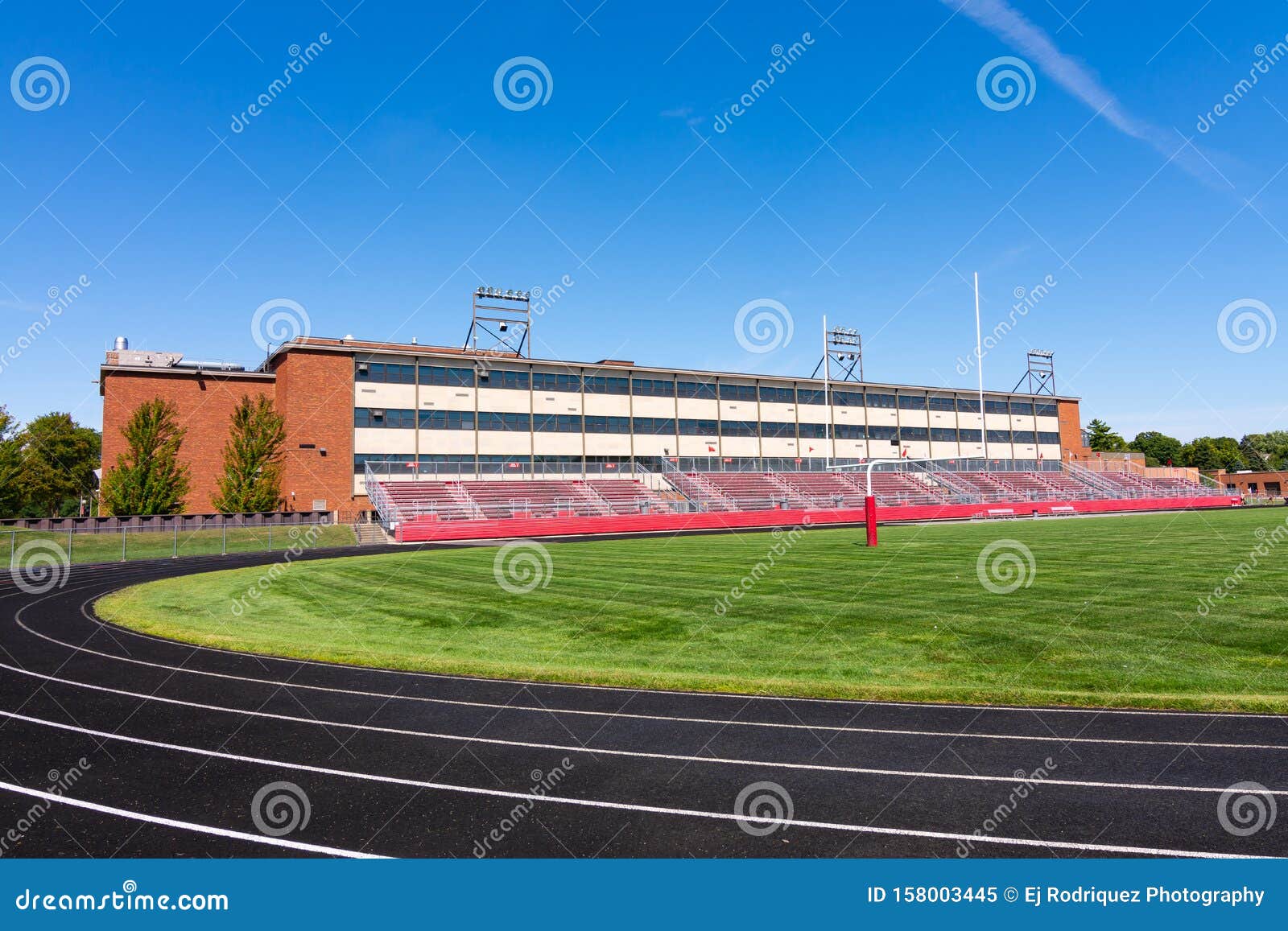
Mohammed stands outside the stadium in Doha, the humid air clinging to his skin like a second layer of clothing. He is an engineer, a man who understands how things are built, but lately, he feels more like a spectator at a magic show. Above him, the floodlights bleed white into the desert sky. Below him, the grass is a perfect, unnatural emerald, maintained by a desalination process that costs more than the annual GDP of some small nations. To the world, this is a victory of sport. To the men in the high-walled offices of the Gulf, it is a survival strategy.
The shift in global sports isn't just about high-profile transfers or shiny new trophies. It is about a fundamental, desperate rethinking of what money is for. We have entered an era where the ledger of a football club or a golf tour is no longer measured in profit, but in "sovereign relevance."
The Ghost in the Machine
For decades, we viewed sports as a self-contained ecosystem. A club bought players, sold tickets, signed TV deals, and tried to stay out of the red. It was a business of margins. But when war ripples through the borders of Eastern Europe or tensions flare in the Levant, the math changes. The Gulf states—Saudi Arabia, Qatar, the UAE—watched the world freeze Russian assets with surgical precision. They saw how quickly a "global" economy could become a series of locked gates.
They realized that holding trillions in liquid cash or Western real estate was a liability. You can seize a bank account. You can’t seize the cultural devotion of four billion football fans.
Consider the hypothetical case of "Newcastle United" or "Manchester City" not as teams, but as insurance policies. If a nation owns the beating heart of a city’s culture, that nation becomes "too big to fail" in the court of public opinion. It is the ultimate shield. By weaving their identity into the fabric of the English Premier League or the PGA Tour, these states aren't just Diversifying their portfolios. They are buying an indestructible form of soft power.
The Thirst for the New Gold
Oil is a sunset industry. Everyone in the marble halls of Riyadh knows this. The "Vision 2030" plan isn't a suggestion; it’s a fire drill. The transition from a carbon-based economy to an image-based economy requires a massive, violent injection of capital into the one thing the world cannot look away from: entertainment.
The numbers are staggering. We see a $200 million salary for a player past his prime and call it madness. We see the LIV Golf merger and call it a monopoly. But we are looking at the wrong column of the balance sheet. In the old world, $200 million is a cost. In the new world, it is a marketing spend for a country trying to rebrand itself as a tourism hub.
The "Gulf effect" has broken the traditional market. When a state-backed entity enters the room, the concept of "Fair Market Value" evaporates. How do you compete with a buyer who doesn't need to make a profit this century? You don't. You either join them or you watch your league become a feeder system for theirs.
The Human Cost of the Spectacle
Behind the grand narratives of geopolitics are the people who actually move the dirt. While the cameras focus on the trophy presentations, there is a quieter, more somber reality in the construction camps and the back-offices. The rapid expansion of these sporting empires requires a human engine that often runs on the brink of exhaustion.
The invisible stakes are highest for the fans. They are the ones who feel the soul of their club being traded for a geopolitical maneuver. There is a specific kind of grief in realizing your childhood hero is now a billboard for a regime’s human rights cleanup. It creates a cognitive dissonance that we, as a society, haven't quite figured out how to process. We want the world-class talent. We want the beautiful stadiums. We just don't want to know where the money came from.
But the money is here. And it is loud.
The influx of Gulf capital has created a "Great Divide" in global sports. On one side, you have the legacy institutions of Europe and North America, struggling with debt and aging infrastructure. On the other, you have the "New Money" titans, who can build a city out of sand in a decade.
The Architecture of Influence
This isn't just about vanity. It’s about the "Sporting Silk Road." By hosting the World Cup, the Asian Games, and countless heavyweight title fights, the Gulf is shifting the center of gravity. For a hundred years, London, Paris, and New York were the arbiters of taste and power. Now? The flight paths are changing.
The real genius—or the real terror, depending on your perspective—is how this money has co-opted the very idea of "sporting merit." We used to believe that the best teams won because they worked harder or coached better. Now, the best teams win because they have the most efficient legal departments and the deepest sovereign backing.
This isn't to say the players aren't talented. They are the best to ever play the game. But they are playing on a tilted pitch. When a team can afford two world-class starting elevens, the element of "underdog magic" starts to feel like a relic of a simpler, poorer time.
The Looming Shadow of Conflict
War is the ultimate disruptor. The conflict in Ukraine was the "black swan" event that accelerated this entire process. It proved that sports are not a neutral ground. When Chelsea FC was stripped from Roman Abramovich, every billionaire and sovereign fund on earth took a sharp, collective breath. They realized that their toys could be taken away if the political winds shifted.
The response wasn't to retreat. It was to double down. If one asset is vulnerable, buy ten. If one league is hostile, buy the whole sport.
This is the "Rethinking of Money" mentioned in the boardrooms. Money is no longer a store of value; it is a tool for entanglement. The more intertwined the Gulf becomes with Western entertainment, the harder it is for the West to enact sanctions or voice dissent. It is a masterpiece of strategic positioning, hidden behind the lure of a 30-yard screamer or a hole-in-one.
The Mirage Becomes Reality
Mohammed looks up at the digital screen. The colors are so bright they hurt his eyes. He remembers a time when football was just a game his father played in the dust with a ball made of rags. Now, it is a trillion-dollar industry, a weapon of statecraft, and a bridge to a future that hasn't been written yet.
We are all spectators in this transition. We complain about the "soul of the game" while we refresh our feeds for the next big transfer. We are complicit because we are captivated.
The stadium lights eventually go out, but the machinery never stops. The desert is no longer just a place of sand and oil; it is the new laboratory of human ambition. The stakes are no longer just points on a table. They are the definitions of power in the twenty-first century.
We keep watching. We keep cheering. And the mirage gets a little more solid every single day, until eventually, we won't be able to tell the difference between the game and the ghost.
The grass remains green. The lights remain bright. The bill is yet to be paid.
-1920w.jpg)