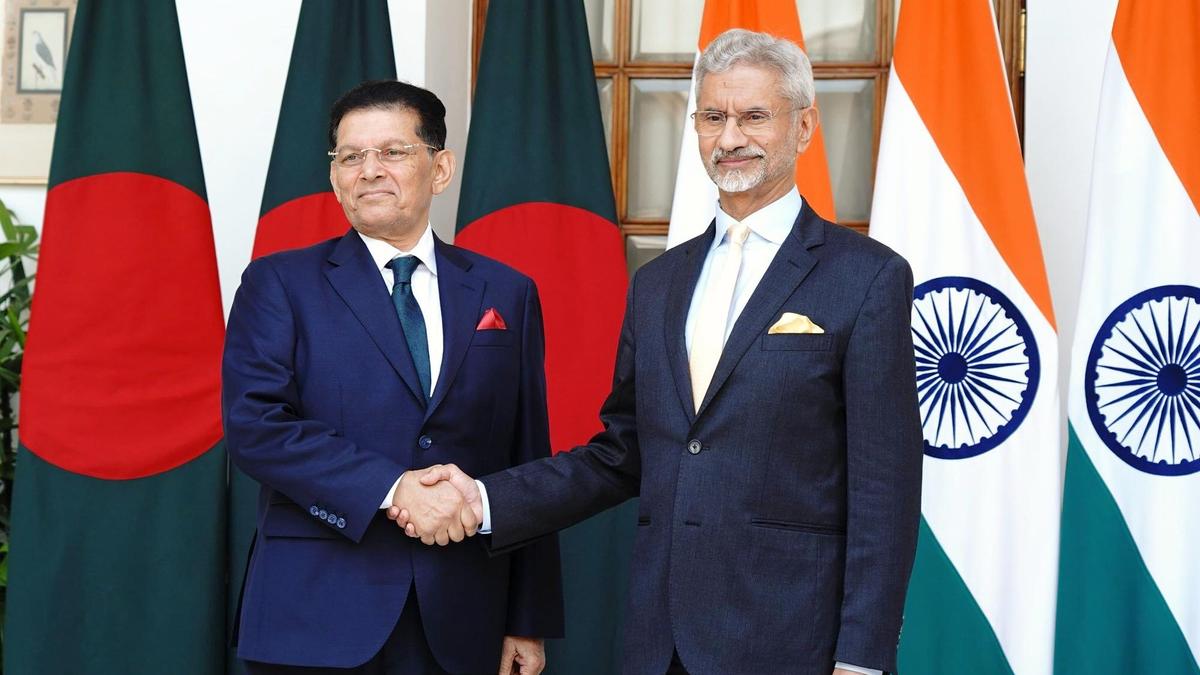
The honeymoon period for the newly elected Bangladesh government didn't even last a week before the heavy lifting started. Foreign Minister Dr. Khalilur Rahman just wrapped up his first high-level trip to New Delhi, and he didn't mince words. He sat across from India’s S. Jaishankar and dropped the one request India has been dreading since August 2024: Give us Sheikh Hasina.
This isn't just a routine legal request. It’s a political grenade. Hasina, who ruled Bangladesh with an iron fist for 15 years, has been cooling her heels in India ever since she fled a massive student-led uprising. Now, with a BNP-led government under Prime Minister Tarique Rahman firmly in power after the February 2026 elections, the pressure to bring her back to face a death sentence is hitting a fever pitch.
The Death Penalty Dilemma
Let’s look at the facts. Back in November 2025, Bangladesh’s International Crimes Tribunal (ICT) didn't just slap Hasina’s wrist. They found her guilty of crimes against humanity. We're talking about directives to use drones and lethal weapons against protesters. The sentence? Capital punishment.
When Dr. Rahman reiterated this demand in Delhi on April 8, 2026, he wasn't just speaking for the cabinet; he was speaking for a public that wants "blood for blood." But for India, handing over a former ally to a hangman’s noose is a nightmare scenario. It looks bad to future allies if New Delhi abandons its friends the moment they lose power.
Reading Between the Treaty Lines
You’d think the 2013 Extradition Treaty between the two nations would make this a shut case. It’s not. The treaty has more holes than a block of Swiss cheese when it comes to high-profile political figures.
- The Political Exception: Article 6 says India can refuse if the offense is "political."
- The Murder Loophole: However, the treaty also says "murder" or "culpable homicide" can’t be called political. Since Hasina is convicted of killings, India’s "it’s just politics" excuse gets a lot weaker.
- The Human Rights Card: This is India’s strongest play. Under the principle of non-refoulement, countries often refuse to send someone back if they’ll face execution or a trial that wasn't fair. Since Hasina was tried in absentia (she wasn't actually there), India can claim the process was flawed.
Honestly, India is stuck. If they say no, they risk alienating the new BNP government and pushing Bangladesh closer to China. If they say yes, they set a precedent that could haunt their diplomacy for decades.
Beyond the Extradition Drama
It wasn't all talk of handcuffs and courtrooms in Delhi. Dr. Rahman is playing a smart game of "Bangladesh First." He knows his country needs Indian diesel and fertilizer to keep the lights on and the farms running.
The two countries actually found some middle ground. India agreed to ease up on those notoriously difficult visa restrictions for Bangladeshis—especially for people traveling for medical reasons. They also agreed on the return of two individuals suspected of killing a student leader, Sharif Osman Hadi. That’s a "quick win" for Rahman to take back to Dhaka, proving the treaty does work for smaller fish.
Why This Matters to You
If you’re watching the regional map, this tension changes everything. For years, India-Bangladesh relations were a "one-party" affair centered on Hasina’s Awami League. That era is dead. The new administration in Dhaka is signaling they won't be a junior partner. They’re demanding "mutual respect" and "reciprocal benefit."
It’s a gutsy move. Rahman is basically telling India: "We can be friends, but only if you help us settle the score with the past."
What Happens Next
Don't expect a plane carrying Hasina to land in Dhaka tomorrow. India hasn't issued a formal response yet, and they'll likely bury this in "legal review" for as long as humanly possible.
If you're following this, watch these three things:
- The Visa Rollout: See if India actually makes it easier for Bangladeshis to cross the border. If they do, it’s a peace offering to keep the extradition heat low.
- The "Bangladesh First" Policy: Watch how Rahman handles trade deals. If he starts pivoting to other regional players for energy, India will know the Hasina issue is a dealbreaker.
- The ICT Appeals: Keep an eye on any legal moves by Hasina’s remaining legal team (or what’s left of it). Any change in the "death penalty" status might give India a face-saving way to cooperate.
The ball is entirely in New Delhi’s court now. They have to decide if protecting an old friend is worth losing a new neighbor.