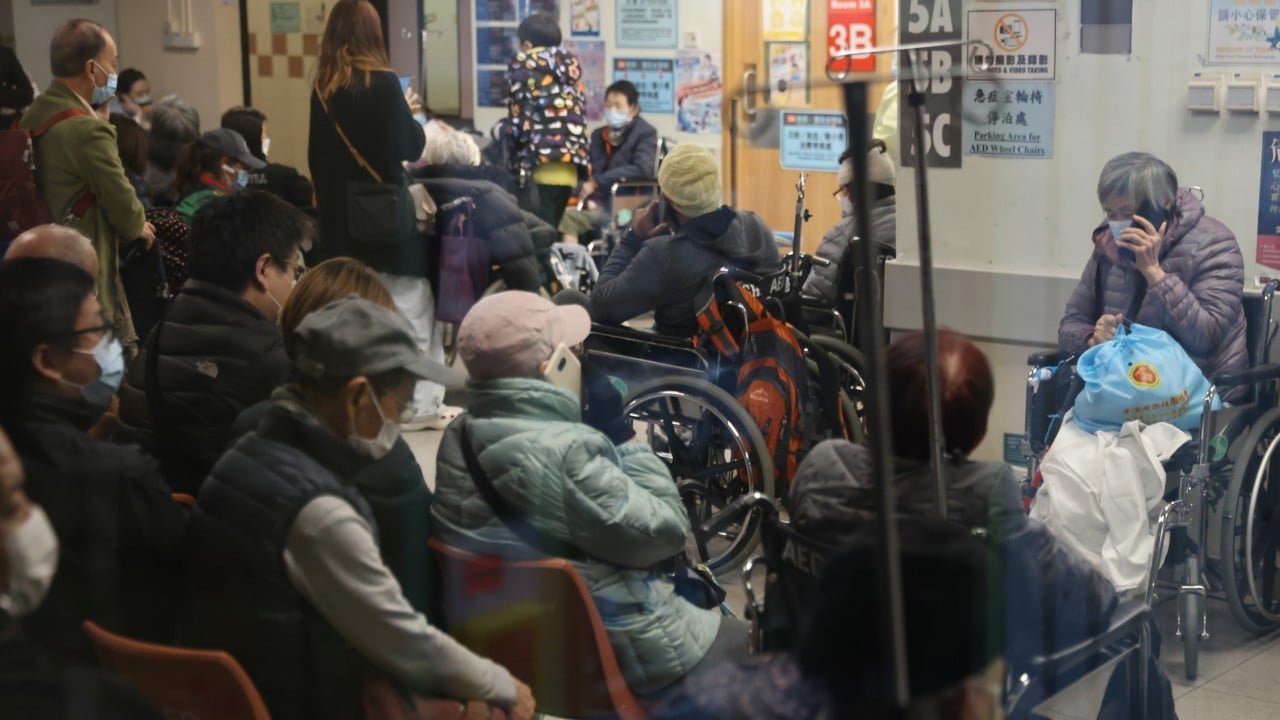
The air inside the ward is a thick soup of antiseptic and unwashed heat. Amal lies on a thin mattress, her hand clutching a plastic bottle of water that has long since turned lukewarm. She is twenty-four years old. This is her second child, and for the second time, she has been wheeled into a theater to have her abdomen opened.
A caesarean section is supposed to be a controlled event. In a different world, it is a scheduled morning, a sterile room, and a recovery spent in a quiet suite with soft lighting. Here, it is a desperate pivot. It is the result of a body pushed beyond its limits by months of displacement, malnutrition, and the relentless stress of survival. Amal didn't choose this. The circumstances chose it for her.
The rate of C-sections in Gaza has climbed to levels that would alarm any public health official in a stable country. But Gaza is not stable. The rise isn't driven by convenience or the "medicalization" of birth seen in the West. It is driven by the fact that the natural process of labor—a process that requires safety, hydration, and time—is being squeezed out by the chaos of war.
The Anatomy of a Forced Choice
When a mother is malnourished, her body lacks the energy to sustain hours of active labor. When she is dehydrated, the uterus may not contract effectively. When she is living in a tent, the psychological "fight or flight" response stays permanently switched on, flooding her system with cortisol. This hormonal environment is the enemy of birth. It stalls progress. It stresses the fetus.
Doctors in overcrowded maternity wards face a brutal calculus. They have ten women arriving at once, all in various stages of distress. They have limited beds and even more limited time. If a labor shows even the slightest sign of slowing down, the risk of waiting becomes a gamble they cannot afford to lose. The scalpel becomes the fastest way to empty a bed and save a life.
Consider the physical reality of the procedure. A C-section is major abdominal surgery. It requires a surgeon to cut through skin, fat, muscle, and the uterine wall. In a standard hospital, the risks of infection are managed with prophylactic antibiotics, a sterile field, and post-operative monitoring. In Gaza, these safeguards are crumbling.
The Invisible War After the Cut
The surgery is only the beginning of the danger. The true crisis arrives forty-eight hours later.
Because of the sheer volume of patients, women are often discharged within six to twelve hours after surgery. Think about that. Walking out of a hospital into a dusty, crowded camp with a fresh, six-inch incision held together by staples or sutures.
Amal’s new reality is a nylon tent. There is no running water to wash her hands. There are no clean bandages to replace the ones soaked with sweat and discharge. The dust of the displaced person's camp finds its way into everything. It settles in the folds of clothing; it drifts through the air.
When an incision becomes infected, it doesn't happen with a bang. It starts as a subtle heat. A redness that creeps outward from the wound. A low-grade fever that a mother might mistake for the general exhaustion of new parenthood. But without intervention, that redness turns to sepsis. In an environment where specialized antibiotics are scarce, a "routine" post-operative infection can become a death sentence.
The Math of Scarcity
The statistics tell a story of a system being cannibalized. In some facilities, C-section rates have nearly doubled compared to pre-conflict norms. This creates a feedback loop of risk.
- Every C-section requires more resources: anesthesia, sterile kits, and surgical staff.
- These resources are diverted from other critical care.
- The increased workload leads to exhausted surgeons, which increases the margin for error.
- A woman who has one C-section is significantly more likely to need another for her next pregnancy, baking future risk into the very fabric of the population.
There is also the issue of blood. Surgery involves blood loss. In a region where anemia is rampant due to food insecurity, a mother starts her surgery already behind. She has no reserves. If she hemorrhages, the hospital’s blood bank—if it still has power to keep the refrigerators running—is her only hope.
Beyond the Physical Scar
The trauma of these births leaves a different kind of mark. For many women, the "birth experience" has been stripped of its humanity and replaced by a cold, mechanical necessity. There is no golden hour of skin-to-skin contact when the room needs to be scrubbed for the next emergency. There is no breastfeeding support when the mother is in too much pain to move and too hungry to produce milk.
The psychological weight of a surgical birth in a war zone is a heavy, silent burden. There is the fear of the wound reopening during a sudden evacuation. There is the shame of not being able to keep the baby clean. There is the haunting knowledge that the very procedure that saved the baby has left the mother more vulnerable than she has ever been.
We often talk about "maternal mortality" as a single data point. We see it on a graph and move on. But maternal mortality is a woman like Amal, who survives the surgery only to face the agonizing choice of using her last liter of clean water to wash her wound or to mix formula for a baby who cannot latch.
The Fragile Thread
The medical teams on the ground are working with a devotion that borders on the miraculous. They are performing delicate surgeries by the light of mobile phones when the fuel for generators runs dry. They are using their own clothes to wrap newborns when blankets are unavailable.
But heroism is not a sustainable healthcare policy.
The rise in C-sections is a symptom of a larger collapse. It is what happens when the most fundamental human experience—bringing life into the world—is forced to adapt to an environment that is hostile to life itself. The danger isn't just in the sharp edge of the blade; it’s in everything that happens after the stitches are tied.
Amal sits up slowly, bracing her core with a tattered pillow. Every movement is a reminder of the vulnerability of her flesh. Outside the ward, the world is loud and uncertain, but inside the small circle of her arms, her child sleeps. The scar on her abdomen will eventually fade to a thin, silver line, a permanent map of the day survival required a miracle of steel and a heavy price of risk.
She looks at her hands, then at the dust on the floor, and wonders how many more days she can keep the fever away.