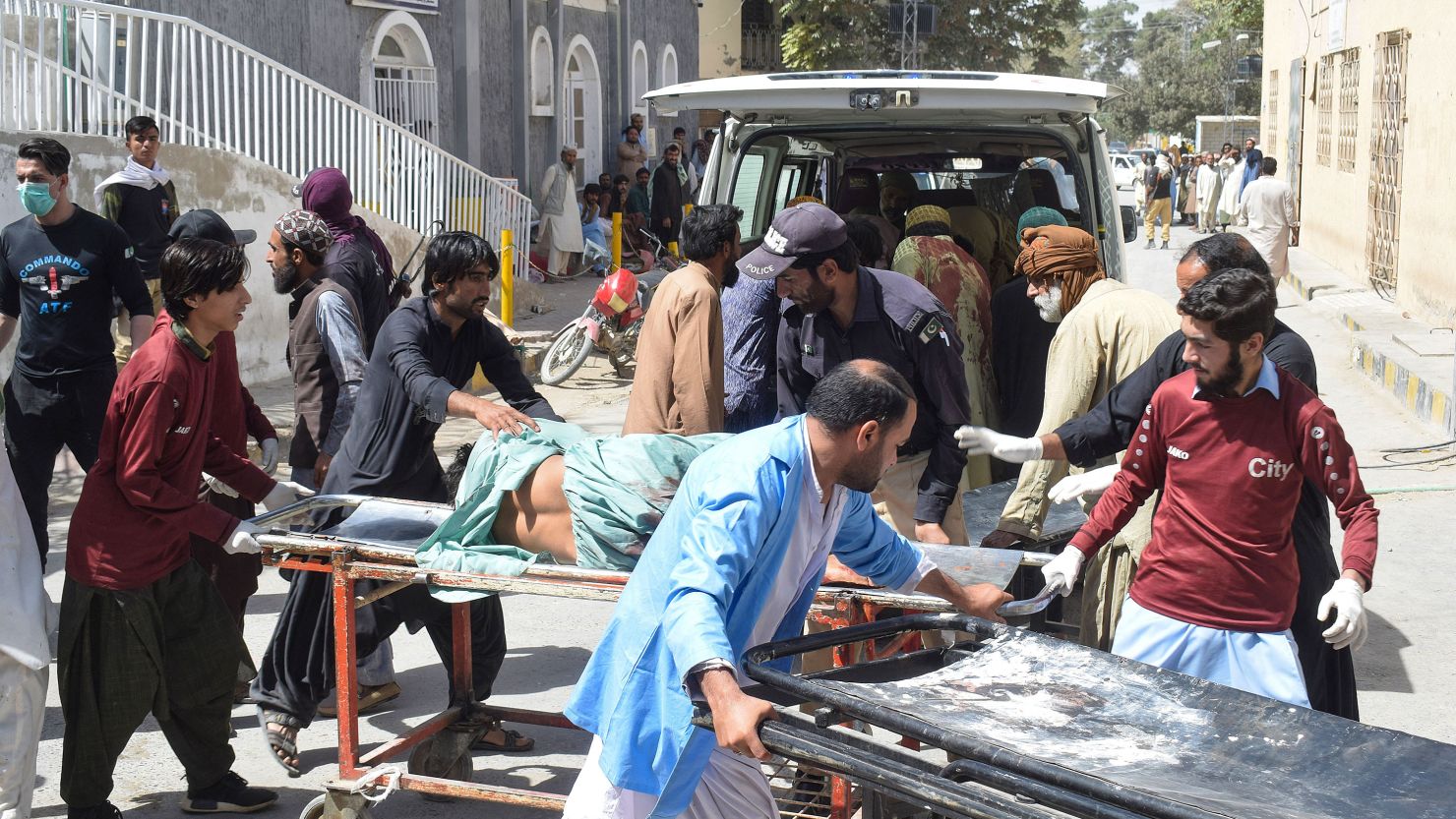
The brutal execution of two Indian nationals outside a gurdwara in Italy is not an isolated flash of violence. It is a symptom of a decaying system. On a quiet evening in the Pontine Marshes, south of Rome, the peace of a religious sanctuary was shattered by gunfire, leaving two Sikh men dead and a community in shock. While initial reports focused on the shock of the crime, the reality is far more sinister. This is the breaking point of an underground economy that fuels Italian agriculture, where desperation and organized crime collide under the indifferent gaze of the state.
The victims were more than just names on a police report. They represented a massive, often invisible workforce that keeps European supermarket shelves stocked with cheap produce. To understand why men are being hunted outside their places of worship, we have to look past the crime scene tape. We have to look at the power structures that govern the lives of thousands of Punjabi migrants who trade the heat of Northern India for the grueling labor of the Italian countryside.
The Shadow Economy of the Pontine Marshes
For decades, the province of Latina has served as the vegetable garden of Italy. It is a land of vast greenhouses and relentless sun. It is also the epicenter of the caporalato system, an illegal form of labor brokerage where "capos" or gangmasters recruit, transport, and exploit migrant workers. This isn't just about low wages. It is a modern form of indentured servitude.
Workers often pay thousands of euros to "agents" in Punjab for a visa and a promised job. When they arrive, they find themselves trapped. Their passports are frequently confiscated. They are charged for transport to the fields, for substandard housing, and even for the water they drink during fourteen-hour shifts. When the debt becomes unpayable or when rivalries between labor brokers boil over, violence is the only currency left.
The shooting at the gurdwara suggests a level of premeditation that points toward a settling of scores or a message being sent. In this world, the gurdwara is the only safe space. It is where workers find a free meal (langar), a sense of dignity, and a connection to home. To strike there is to strike at the very heart of the community’s resilience.
Why the Italian State is Failing its Workers
Italian authorities often speak of crackdowns and new regulations, but the machinery of exploitation remains greased by high demand and low oversight. The legislative framework, specifically the Bossi-Fini law, ties a migrant’s legal status to their employment contract. This creates a terrifying power imbalance. If a worker complains about abuse, they don't just lose their job; they lose their right to stay in the country.
This legal trap forces men into silence. They become ghosts in the system. The agricultural sector contributes billions to Italy's GDP, yet it relies on a labor force that is systematically denied basic protections. When the state fails to provide a legal pathway for grievance, the vacuum is filled by those willing to use a gun.
Investigative leads often disappear into a wall of silence. This silence isn't born of loyalty, but of survival. If you speak to the carabinieri, you risk deportation. If you speak against the gangmasters, you risk the fate of the two men at the gurdwara. It is a binary choice between two different kinds of ruin.
The Punjabi Connection and the Weight of Remittances
The migration pipeline from Punjab to Italy is fueled by the stagnation of the Indian agrarian economy. Small-scale farmers in India are drowning in debt, leading them to sell ancestral land to fund a son’s passage to Europe. This creates a massive psychological burden. A migrant cannot simply "go home" if things get bad. They carry the weight of their family’s entire future on their shoulders.
In the fields of Lazio, this desperation is harvested. Workers have been documented using "doping" substances—heavy painkillers and amphetamines—just to keep up with the grueling physical demands of the harvest. They work until they break, and when they break, they are replaced. The violence we see today is the extreme end of a spectrum of abuse that begins the moment a young man boards a plane in Amritsar.
The Architecture of Exploitation
To fix this, the conversation must move beyond "border security" and into the mechanics of the supply chain. Large retailers and distributors demand the lowest possible prices for tomatoes, zucchini, and kiwi. This pressure trickles down. The farmer at the bottom of the chain, squeezed by the giants of the food industry, turns to the gangmaster to slash labor costs.
Everyone wins except the man in the field. The consumer gets cheap salad. The supermarket gets its margin. The farmer stays afloat. The gangmaster gets rich. And every so often, two men pay the ultimate price for a system that never intended to recognize their humanity.
The investigation into the gurdwara shooting will likely focus on the immediate perpetrators—the men who pulled the triggers. But a truly hard-hitting inquiry must look at the landowners who look the other way and the politicians who benefit from a rhetoric of "tough on crime" while doing nothing to dismantle the economic structures that necessitate it.
Breaking the Cycle of Gangmaster Violence
True reform requires more than just police raids. It requires a fundamental shift in how migrant labor is integrated into the Italian economy.
- Decoupling Visas from Specific Employers: Allowing workers to change jobs without losing their residency status would instantly strip gangmasters of their greatest leverage.
- Supply Chain Transparency: Holding major supermarket chains legally and financially responsible for labor violations at any point in their sourcing history.
- Strengthening Labor Unions: Providing a safe, state-sanctioned way for migrant workers to report abuse without the threat of immediate deportation.
Without these shifts, the "Made in Italy" label remains stained. The tragedy in Latina is not just a story of two men who died; it is a story of a society that decided their lives were a fair price to pay for the status quo.
The blood on the steps of the gurdwara will eventually be washed away by the rain, but the conditions that brought the gunmen there are still being cultivated in every greenhouse across the province. Until the cost of exploitation exceeds the profit of the harvest, the violence will continue.
Stop looking for a motive in the shadows and start looking at the price of your groceries.